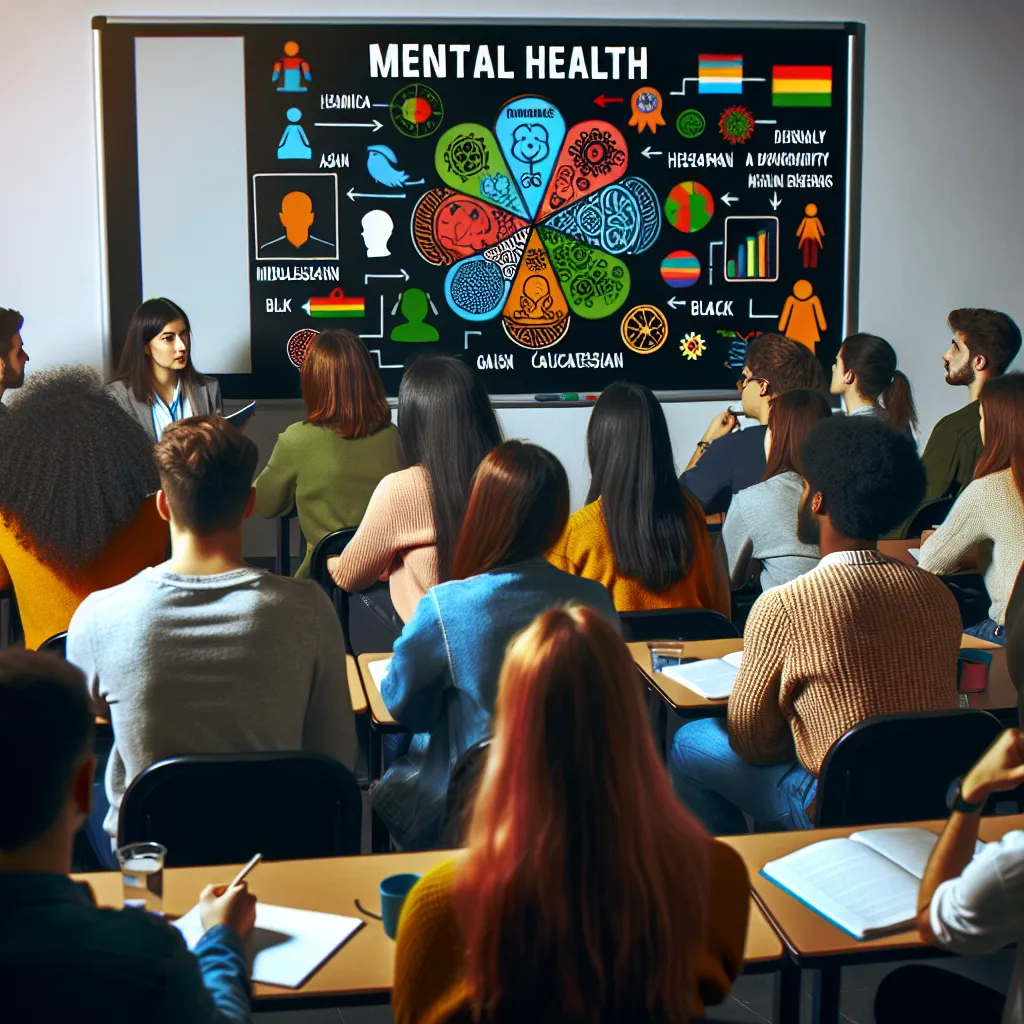
Healthy students learn better because learning is not just an academic process, it is a whole-person experience. In classrooms across America, mental health, emotional stability, and physical wellness directly influence how students focus, retain information, and perform over time. When mental health struggles, trauma, or substance use enter the picture, education often becomes harder to access and sustain. Understanding this connection is essential for parents, educators, and care providers who want to support long-term student success.
At Educating America, we provide compassionate and individualized care through addiction recovery services, mental health treatment, inpatient and outpatient programs, and holistic, faith-based approaches. Our mission is to help individuals regain stability so they can thrive not only in recovery, but also in education and life.
The Link Between Mental Health and Academic Performance
Mental health plays a foundational role in how students learn and engage with the world. When students experience anxiety, depression, trauma, or chronic stress, their ability to concentrate, participate, and retain information is significantly impacted.
How Emotional Wellness Supports Learning
Emotionally healthy students are more likely to stay engaged in school, build positive relationships, and complete academic tasks. They are also better equipped to manage stress, solve problems, and adapt to challenges. Emotional wellness strengthens executive functioning skills, which are essential for learning success.
The Impact of Mental Health Challenges in the Classroom
When mental health issues go untreated, students may struggle with attendance, motivation, and behavior. Over time, this can lead to falling behind academically and feeling disconnected from school. Early support and intervention are critical to preventing long-term academic setbacks.
How Substance Use Affects Student Learning
Substance use can significantly disrupt a student’s ability to succeed academically. Addiction affects brain development, decision-making, memory, and emotional regulation. For students already facing academic or emotional challenges, substance use can quickly escalate difficulties.
The Importance of Early Intervention
Identifying early signs of substance use and mental health struggles can make a major difference in outcomes. Early intervention allows students to receive the support they need before challenges become more severe. Treatment programs that combine therapy, education, and structured support help students regain control and stability.
Recovery as a Path Back to Education
Recovery is not just about stopping substance use. It is about rebuilding the ability to learn, grow, and function in daily life. With the right support, students in recovery can return to school with stronger coping skills, improved focus, and renewed motivation.
The Role of Inpatient and Outpatient Treatment in Education
Treatment programs play a critical role in helping students recover while maintaining or returning to their educational goals. Both inpatient and outpatient care provide structured pathways to healing.
Inpatient Treatment for Focused Healing
Inpatient programs offer a safe, supportive environment where individuals can fully focus on recovery. These programs include therapy, medical support, and life skills training that help stabilize mental health and build a strong foundation for future learning.
Outpatient Care for Continued Academic Engagement
Outpatient programs allow students to continue their education while receiving ongoing treatment. This flexibility helps individuals apply coping skills in real-life environments, supporting both recovery and academic progress simultaneously.
Holistic and Faith-Based Approaches to Student Wellness
At Educating America, we believe healing should address the whole person. Holistic care integrates physical, emotional, and spiritual wellness to support long-term recovery and educational success.
Building Healthy Daily Habits
Practices such as mindfulness, exercise, proper nutrition, and structured routines help students improve focus and emotional regulation. These habits create stability, which directly supports learning and personal development.
Faith-Based Support and Purpose
Faith-based approaches provide guidance, encouragement, and a sense of meaning. For many individuals, spiritual support plays an important role in recovery, offering hope and motivation during difficult times.
Practical Ways to Support Healthy Student Learning
Families, educators, and communities can take meaningful steps to strengthen the connection between mental health and education:
- Encourage open conversations about emotional health and stress
- Normalize seeking mental health and addiction support
- Promote early screening and intervention when concerns arise
- Support balanced routines that include sleep, nutrition, and physical activity
- Collaborate with treatment providers and school professionals
These actions help create environments where students feel safe, supported, and ready to learn.
Conclusion
Healthy students truly do learn better. When mental health is supported and substance use is addressed with compassion and structure, students gain the clarity, focus, and resilience needed to succeed in education and in life. The connection between wellness and learning is not optional, it is essential.
At Educating America, we are committed to helping individuals and families build stronger futures through professional, compassionate, and individualized care. If you or someone you love is struggling with mental health challenges, addiction, or academic difficulties, support is available. Reach out today to take the first step toward healing, stability, and lifelong success.