Archive of ‘Uncategorized’ category

Healthier Students, Better Learners: The Role of Public Health in U.S. Educational Outcomes

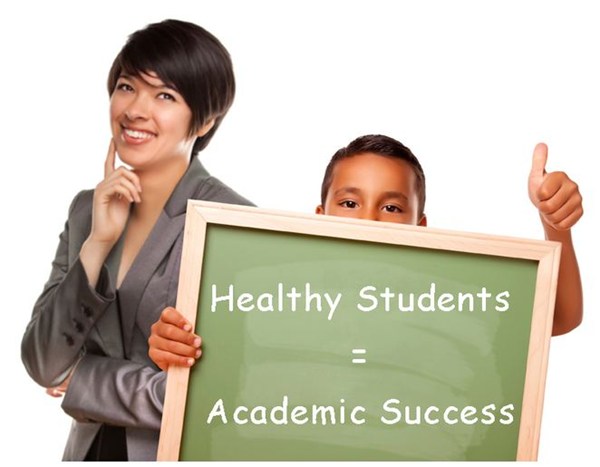
The relationship between health and education is undeniable: healthier students are better learners. Public health initiatives play a critical role in supporting student well-being and, consequently, improving educational outcomes in the United States. By addressing barriers to health, public health programs empower students to succeed academically and develop into productive members of society.

The Connection Between Health and Academic Achievement

Good health is a cornerstone of academic success. Students who are physically and mentally well can concentrate, participate, and excel in their studies. Conversely, poor health often leads to absenteeism, reduced engagement, and lower academic performance. Research consistently shows that students who eat nutritious meals, engage in regular physical activity, and receive proper medical care perform better in school.

For example, the Centers for Disease Control and Prevention (CDC) highlights the positive impact of physical activity on cognitive function, including memory, attention, and problem-solving skills. Similarly, ensuring access to nutritious school meals through federal programs like the National School Lunch Program has been shown to enhance students’ energy levels, focus, and academic performance.

Mental health also plays a significant role in educational success. Students who experience anxiety, depression, or other mental health challenges often struggle with classroom participation and academic performance. Public health interventions that provide access to mental health services within schools can mitigate these challenges and support student success.

Addressing Health Disparities in Education

Despite the critical role of health in education, many students face significant health disparities that hinder their ability to learn. These disparities are often rooted in socioeconomic inequalities, racial inequities, and geographic factors that limit access to healthcare, nutritious food, and safe environments. Public health initiatives aim to reduce these disparities by creating equitable access to essential health resources.

For instance, school-based health centers (SBHCs) are an effective public health strategy to address health disparities. These centers provide comprehensive medical, dental, and mental health services directly on school campuses, ensuring that students—especially those in underserved communities—receive the care they need without missing class time. Research shows that SBHCs not only improve health outcomes but also boost attendance, academic performance, and graduation rates.

Promoting Preventive Care and Wellness

Public health programs emphasize preventive care and wellness as key components of student success. Initiatives that promote vaccination, regular health screenings, and hygiene education help prevent the spread of illnesses that can disrupt learning. For example, flu vaccination campaigns in schools have been shown to reduce absenteeism during flu season, benefiting both students and teachers.

In addition, public health campaigns focused on physical activity and nutrition foster healthier lifestyles that support academic achievement. Programs like “Let’s Move!” and other school wellness initiatives encourage students to stay active, make healthier food choices, and develop habits that enhance their overall well-being.

The Role of Policymakers and Educators

Policymakers and educators play a crucial role in integrating public health initiatives into the education system. Investments in school health programs, such as funding for SBHCs, free meal programs, and mental health counseling, can create a supportive environment that nurtures student well-being.

Collaboration between public health agencies, schools, and communities is also essential. Community-based partnerships can address broader social determinants of health, such as housing stability, food security, and access to healthcare, which directly impact students’ ability to succeed in school.

Conclusion

The link between health and education underscores the importance of public health in shaping educational outcomes. By addressing health disparities, promoting preventive care, and fostering wellness, public health programs create the conditions for students to thrive academically and beyond. Investing in the health of students is not just an investment in their education—it is an investment in the future of the nation.


Breaking the Cycle: The Interplay of Health Disparities and Educational Inequality in America

Health disparities and educational inequality in America are deeply interconnected, creating a cycle that perpetuates disadvantage across generations. These disparities disproportionately affect low-income communities and communities of color, where access to quality healthcare, nutritious food, and educational resources is often limited. Understanding how these two issues intertwine is crucial to addressing the systemic barriers that prevent millions of students from achieving their full potential.

The Impact of Health Disparities on Educational Outcomes

Health disparities refer to the unequal distribution of health resources and opportunities, often shaped by socioeconomic status, race, and geographic location. In the U.S., children from low-income families or marginalized communities are more likely to experience chronic health conditions, mental health challenges, and limited access to preventive healthcare. These health issues have a direct and measurable impact on educational outcomes.

Children with chronic illnesses such as asthma, diabetes, or obesity are more likely to miss school, which can hinder academic achievement. Asthma, for example, is one of the leading causes of absenteeism in American schools, particularly in urban and low-income areas where environmental factors like poor air quality exacerbate the condition. The CDC reports that students with chronic health issues are at a higher risk of falling behind academically, struggling to meet grade-level expectations, and facing increased dropout rates.

Mental health disparities further exacerbate educational inequality. Students from disadvantaged backgrounds often face higher levels of stress due to factors like poverty, unstable housing, and community violence. These stressors can lead to mental health issues such as anxiety, depression, and trauma, which interfere with concentration, motivation, and school engagement. Without adequate mental health support, these students are more likely to experience behavioral issues and academic difficulties.

Educational Inequality as a Driver of Health Disparities

While health disparities negatively affect educational outcomes, educational inequality also reinforces health disparities. Schools in low-income and underserved areas often lack the resources to provide comprehensive health education, physical education, and access to school-based health services. Without these critical resources, students may struggle to adopt healthy behaviors or receive early interventions for health problems, which can have long-term consequences.

For example, students in schools with limited access to physical education or extracurricular sports may be at higher risk for obesity and related health conditions. Similarly, schools without adequate mental health services may fail to identify and address mental health issues early, allowing these problems to worsen over time.

Inadequate health education also plays a role in perpetuating health disparities. Students who do not receive comprehensive education about nutrition, physical activity, sexual health, and mental health may be less equipped to make informed decisions about their well-being. This lack of knowledge can contribute to unhealthy lifestyles, further widening the gap between advantaged and disadvantaged populations.

The Role of Socioeconomic and Racial Inequities

Socioeconomic and racial inequities are at the heart of both health disparities and educational inequality in America. Low-income families often face barriers to accessing healthcare, nutritious food, and safe environments—factors that are essential for healthy development and academic success. In turn, students from these backgrounds are more likely to attend underfunded schools that struggle to provide high-quality education and support services.

Racial inequities compound these challenges, as communities of color disproportionately face systemic barriers that limit access to both health and educational resources. Historical factors such as residential segregation, discriminatory policies, and economic inequality have created conditions in which Black, Hispanic, and Indigenous students are more likely to experience poor health outcomes and attend schools with fewer resources. These disparities are not only unjust but also self-reinforcing, making it difficult for affected communities to break the cycle of disadvantage.

Breaking the Cycle

Addressing the interplay between health disparities and educational inequality requires comprehensive, systemic solutions. Schools, healthcare providers, policymakers, and communities must work together to create environments that support both health and academic success.

Investing in school-based health programs is one approach that can make a significant difference. Schools that provide access to healthcare services, mental health counseling, and wellness programs can help address the health issues that often interfere with learning. Additionally, expanding access to healthy meals through programs like the National School Lunch Program can improve both health and academic performance for low-income students.

Policymakers must also prioritize funding for schools in disadvantaged communities, ensuring that they have the resources to offer quality education, physical education, and health services. Addressing the root causes of racial and socioeconomic inequities—such as affordable housing, healthcare access, and employment opportunities—will further help break the cycle of inequality.

In conclusion, the relationship between health disparities and educational inequality in America is a complex and self-reinforcing cycle. To break this cycle, efforts must focus on addressing both health and educational inequities simultaneously, ensuring that all students have the opportunity to thrive both in school and in life.

Exploring the Links Between Wellness and Education in the U.S.

The connection between health and education is a critical but often overlooked factor in student success. In the United States, academic performance is closely linked to students’ overall physical, mental, and emotional well-being. Healthier students tend to perform better academically, while poor health often results in lower educational outcomes. This intricate relationship between wellness and education influences not only individual achievements but also broader societal disparities in education.

The Role of Physical Health in Academic Success

Physical health plays a foundational role in academic performance. Students who enjoy good physical health are better able to concentrate, participate in classroom activities, and absorb new information. Regular physical activity, proper nutrition, and sufficient sleep are essential contributors to cognitive function and school readiness.

For instance, children who are physically active tend to have better memory retention, quicker cognitive processing, and enhanced problem-solving skills. According to a report by the Centers for Disease Control and Prevention (CDC), students who engage in physical activity during the school day demonstrate improved attention, fewer behavioral issues, and stronger academic performance.

In contrast, poor health, including chronic conditions like asthma, obesity, or frequent illnesses, can limit a student’s ability to succeed. Children with chronic health problems are more likely to miss school, fall behind academically, and face challenges keeping up with their peers. The impact of absenteeism, often driven by preventable health issues, is particularly concerning in communities with limited access to healthcare and healthy food options.

Mental Health and Academic Achievement

Mental health is another crucial component of academic success. Students dealing with issues such as anxiety, depression, or trauma often struggle with concentration, motivation, and classroom engagement. According to the National Alliance on Mental Illness (NAMI), one in five young people in the U.S. experiences a mental health disorder, and half of these cases begin by age 14. Without appropriate intervention and support, these mental health issues can significantly hinder academic performance.

Schools that invest in mental health services, including counseling and social-emotional learning (SEL) programs, tend to see higher levels of student success. SEL programs, for example, teach students essential skills such as self-regulation, empathy, and responsible decision-making. These skills contribute to a positive school climate and support students’ ability to manage stress, build resilience, and stay focused in the classroom.

Socioeconomic Factors and Health Disparities

The connection between health and education in the U.S. is often magnified by socioeconomic disparities. Low-income students frequently face greater health challenges due to a lack of access to healthcare, nutritious food, and safe living conditions. These disadvantages are compounded in underserved communities, where both health and educational resources are limited.

For example, food insecurity is a significant issue that affects millions of children in the U.S. Hunger has a direct impact on cognitive function, energy levels, and school engagement. Students who are hungry or malnourished are more likely to struggle with concentration, behavior, and academic achievement. Schools that provide free or reduced-price meals through programs like the National School Lunch Program have been shown to improve not only health outcomes but also academic performance.

Addressing the Health-Education Nexus

To improve educational outcomes, policymakers and educators must recognize the critical role that health plays in student achievement. Integrating health services into schools, such as on-site health clinics, mental health counseling, and wellness programs, can address many of the physical and mental health barriers that impede learning.

Additionally, partnerships between schools, public health organizations, and communities can help create healthier environments for students. Programs that focus on physical activity, nutrition education, and mental health awareness can empower students to take charge of their well-being, leading to better academic outcomes and long-term success.

In conclusion, the link between health and education in the U.S. is undeniable. Addressing the health needs of students is essential to closing the achievement gap, promoting equity, and ensuring that all students have the opportunity to thrive academically and beyond.

How Health and Education Shape America’s Future

In the tapestry of American society, health and education intertwine as vital threads that not only reflect the well-being of individuals but also shape the trajectory of the nation’s future. The synergy between health and education is profound, influencing not only personal prosperity but also economic development, social equity, and overall societal advancement. Understanding the intricate relationship between health and education is essential for crafting policies and initiatives that foster a healthier, more prosperous future for all Americans.

Health and Education: A Two-Way Street:

The connection between health and education is symbiotic, with each influencing and reinforcing the other. On one hand, educational attainment is a significant determinant of health outcomes. Individuals with higher levels of education tend to have better access to healthcare, adopt healthier behaviors, and enjoy longer life expectancies. Conversely, good health is a prerequisite for effective learning and academic achievement. Physical and mental well-being directly impact cognitive development, academic performance, and educational attainment.

Early Childhood Development:

The foundation for a healthy and successful future begins in early childhood. Access to quality early childhood education and healthcare services is critical for promoting physical, cognitive, and socio-emotional development. Early interventions, such as prenatal care, pediatric screenings, and early childhood education programs, set the stage for lifelong health and educational achievement. Investments in early childhood development yield significant returns, providing children with the tools they need to thrive academically and personally.

Academic Achievement and Health Equity:

Educational attainment is a powerful determinant of health equity, shaping opportunities, outcomes, and life trajectories. Disparities in educational achievement often mirror disparities in health outcomes, with marginalized communities facing greater barriers to success in both domains. Addressing inequities in education, such as inadequate funding, inadequate resources, and systemic barriers, is essential for promoting health equity and leveling the playing field for all Americans.

Empowering Communities Through Education and Health:

Education and health are catalysts for community empowerment and social change. Healthy, educated communities are more resilient, economically vibrant, and socially cohesive. Investing in education and health infrastructure, including schools, healthcare facilities, and community resources, fosters collective well-being and prosperity. By empowering individuals with knowledge, skills, and resources, communities can overcome challenges, achieve their full potential, and shape a brighter future for generations to come.

Lifelong Learning and Lifelong Health:

The journey toward health and education is not a destination but a lifelong pursuit. Lifelong learning and health promotion go hand in hand, enabling individuals to adapt, grow, and thrive in an ever-changing world. Continuing education opportunities, vocational training, and access to healthcare services empower individuals to stay engaged, productive, and healthy throughout their lives. By promoting a culture of lifelong learning and health consciousness, societies can cultivate resilience, innovation, and prosperity across the lifespan.

In conclusion, the intersection of health and education is a powerful force that shapes America’s future in profound ways. By recognizing the interconnectedness of these two domains, policymakers, educators, healthcare providers, and community leaders can develop holistic approaches that promote well-being, equity, and opportunity for all. Investing in education and health is not only a moral imperative but also an economic imperative that fuels innovation, productivity, and social progress. Together, let us harness the transformative power of health and education to build a brighter, healthier future for America and its citizens.

Unraveling the Interdependence of Education and Health in America

In the complex tapestry of American society, the threads of education and health are intricately woven, forming a dynamic and interdependent relationship that significantly influences the well-being of individuals and the nation as a whole. Unraveling this connection reveals a profound impact on both academic outcomes and public health, showcasing the importance of recognizing and addressing the interdependence of education and health in America.

1. Education as a Social Determinant of Health:

Education is often referred to as a social determinant of health, meaning it plays a pivotal role in shaping an individual’s overall well-being. Higher levels of education are associated with better health outcomes, including lower rates of chronic diseases, increased life expectancy, and healthier lifestyle choices. The educational environment itself, from early childhood through higher education, contributes to the development of cognitive, emotional, and social skills that are integral to leading a healthy life.

2. Impact on Academic Success:

The connection between education and health is bidirectional, with each influencing the other. A healthy student is more likely to be present, engaged, and focused in the classroom. Conversely, academic success is linked to long-term health outcomes. Students who receive quality education are better equipped to make informed health choices, leading to improved overall well-being.

3. Socioeconomic Factors and Health Disparities:

Socioeconomic status, often influenced by educational attainment, is a key determinant of health. The link between education and health disparities is evident in the fact that individuals with lower levels of education often face greater challenges in accessing healthcare, experience higher rates of chronic illnesses, and have shorter life expectancies. Breaking this cycle requires addressing both educational inequities and health disparities simultaneously.

4. Healthy Habits as Lifelong Lessons:

Schools serve as important environments for instilling healthy habits in children and adolescents. Physical education programs, nutrition education, and access to nutritious meals contribute to the development of a foundation for a healthy lifestyle. Moreover, the culture of health promoted within educational institutions has the potential to shape lifelong behaviors, influencing how individuals approach their well-being even after they leave the academic setting.

5. Importance of Mental Health Support:

The connection between education and health extends beyond physical well-being to encompass mental health. Academic stress, peer relationships, and the overall school environment can significantly impact the mental health of students. Adequate mental health support within educational institutions is essential for fostering resilience, coping mechanisms, and emotional well-being, ultimately influencing long-term mental health outcomes.

6. Community and Public Health:

The ripple effect of the education-health interdependence extends to communities and public health outcomes. Well-educated individuals are more likely to contribute positively to their communities, engage in civic activities, and advocate for healthier living conditions. As a result, communities with higher levels of education tend to experience improved public health indicators, creating a cycle of positive reinforcement.

7. Policy Implications for a Holistic Approach:

Recognizing the interdependence of education and health has significant policy implications. A holistic approach involves creating policies that address educational inequities, support comprehensive health education, and integrate health and wellness into the educational curriculum. This approach requires collaboration between educational institutions, healthcare systems, and policymakers to ensure a unified effort in promoting the well-being of individuals and communities.

In conclusion, unraveling the interdependence of education and health in America reveals a complex but critical relationship that shapes individual outcomes and societal well-being. Acknowledging and addressing this connection is paramount for fostering a healthier, more educated, and resilient nation. By investing in both education and health, America can pave the way for a brighter future where individuals thrive academically and lead healthier, more fulfilling lives.

Education and Health Are Completely Intertwined

When it comes to our overall health and wellbeing, education and health are inextricably linked. Education plays an indisputably vital role in health and wellbeing from childhood to adulthood and is proven to have a more profound and wide-ranging effect than any other factor.

Education has a direct correlation with health outcomes, and individuals with more education have been shown to lead longer and healthier lives. This is primarily because higher levels of education are associated with higher income levels, better ability to access and utilize healthcare resources, and more knowledge about health promotion and disease prevention.

In addition, education offers some intrinsic benefits to health that are not necessarily related to earnings or access to high-quality healthcare. These include improved mental and emotional well-being, increased problem-solving ability and cognitive development, and better self-efficacy, which are all valuable tools to help maintain a good level of health and prevent illness and chronic disease.

Education is also proven to reduce the instances of poverty, which is integral in health and wellbeing. Poverty is not the underlying cause of most health issues, but it does create the conditions in which health issues can arise. People living in poverty are more likely to face greater health risks from inadequate nutrition, poor sanitation, and lack of access to prevention and treatment services. These things stem from lack of education and often perpetrate the cycle of poverty and poor health, which has devastating effects on overall wellbeing.

Societal changes can also impact the health and wellbeing of the population, and education is considered an essential factor in making these changes. For example, educated citizens are more likely to understand the long-term benefits of health insurance and preventive health measures, such as regular doctor visits and proper nutrition. Additionally, an educated population is thought to be more willing to participate in decision-making about policies and regulations that impact health, such as public smoking bans or education on environmental pollutants.

It is clear that education and health are completely intertwined with each other, and both are essential for individual and public health. Education and health go hand in hand, and it is essential that both are valued equally. By investing in educational systems that value inclusivity, equity, and quality, we can ensure that all individuals have access to the quality of life they deserve, including the ability to obtain proper healthcare resources and lead healthier lives.

How One Impacts the Other

When speaking of the United States, one of the first things to come to mind is the considerable wealth of the nation. However, what often goes understated is the important relationship between the health and educational systems in America. For example, if a person has a chronic health issue, it can significantly impact their ability to succeed in school and vice versa. Through a better understanding of the interplay between these two systems, the health and education of the United States’ population can be significantly improved.

Health and education in the United States have become increasingly intertwined in recent years. This largely has to do with the prevalence of mental and physical health issues among students. More and more, the mental health of American students is being seen as a crucial factor when it comes to their overall performance in school. Issues such as depression, anxiety, and attention-deficit/hyperactivity disorder (ADHD) can all have adverse effects on a student’s ability to learn, as can physical ailments.

Conversely, the educational system also has a direct effect on the health and wellbeing of students. According to the CDC, students who have higher levels of health literacy are more likely to practice preventive health-care behaviors, such as regularly seeing a doctor and engaging in physical activity. Additionally, students with higher educational attainment are more likely to understand and implement healthier dietary behaviors and have less risky sexual behaviors. Higher educational levels have also been linked to better management of chronic illnesses and more successful recovery from acute illnesses.

In order to maximize the effectiveness of health and educational systems in the United States, a multi-faceted approach needs to be taken. Currently, there are several organizations engaged in important collaborations between the two systems. For instance, the Robert Wood Johnson Foundation is dedicated to advancing evidence-based strategies for improving the health of youth and families in the United States. Additionally, the Health Resources and Services Administration has grants that help increase access to health and educational services in vulnerable communities.

All in all, it is clear that health and education are closely linked and have an important impact on each other. For this reason, it is essential to understand the relationship between these two systems and create a policy environment that encourages a comprehensive approach to improving the state of health and education in America. By supporting interventions that improve both health and education while also working to reduce the social inequities that exist between them, the health and education of the United States’ citizens can be improved.

Why education in America is shrinking

Education in America is in the midst of a vast and ongoing transformation. From the decrease in funding for educational institutions to the growing focus on testing and standardization, the public education system is shrinking, and the consequences are wide-reaching. While it is true that the quality of education is still largely determined by the school district and individual teachers, the lack of resources available to educators and schools put them at a disadvantage, and ultimately prevent students from reaching their full potential.

At its core, the root of the education crisis in America is a lack of investment. Without sufficient funding, schools are unable to provide qualified staff, material resources, and programs to students. This means fewer teachers, fewer classroom materials, and fewer opportunities for extracurricular activities, resulting in a decrease in the quality of education. Studies show that students in underfunded districts, often located in low-income areas, are less likely to graduate from high school and college and more likely to experience academic failures than students in wealthier districts.

In addition to lack of funding, education in America is shrinking due to a growing emphasis on testing and standardization. While standardized tests are often used to measure student performance, they can also be detrimental to the quality of education, primarily due to the amount of time and resources devoted to preparing for the tests, instead of the time and resources devoted to learning. As a consequence, critical thinking, creativity, and natural talent are sacrificed in order to meet the test requirements.

In an effort to increase accountability in schools, the Federal Government has recently imposed a number of reforms, such as Common Core and high-stakes standardized tests. While some of the reforms have proven to be beneficial to students, others have had a negative impact on the quality of education. For example, high-stakes standardized tests put immense pressure on teachers and can cause them to focus more on test preparation than teaching.

Finally, a shrinking education system has far-reaching consequences for students and for society as a whole. For example, not having access to quality education makes it harder for students to obtain the skills and knowledge necessary to excel in higher education and in the workforce. This means that high school students are less likely to pursue college degrees or enter the STEM field, and low-income students are more likely to remain in cycles of poverty.

The shrinking state of education in America is an alarming trend that needs to be addressed. With increased funding and support for underfunded districts, schools can offer more resources and opportunities to students, and focus less on test preparation and more on engaging learning. Additionally, changing the focus from high-stakes testing to real-world skills and experiences, particularly for low-income students, can help to provide students with a chance to reach their full potential.

Essential Elements of Living in America

The health and educational situation in the United States is a complex and diverse one. While many areas have been underfunded or neglected for too long, other parts of the country have made great strides toward improving the lives of citizens. For the most part, health and education services are available on the same level across the country. There are also different areas which require a higher level of investment and attention in order to improve the overall situation.

In terms of health, the public health situation in America is quite robust. This includes a top notch system of hospitals, clinics, and health care providers that are all designed to ensure the highest level of health care for all citizens. Unfortunately, this system is often plagued by issues such as overcrowded hospitals, long wait times if you don’t have insurance, and overly expensive treatments. There is also a great disparity between the quality of health care that is available in different parts of the country, resulting in lower health outcomes overall.

In terms of education, there are major gaps between different parts of the country. This means that some parts of the US have incredibly robust educational systems, while others have been practically neglected, leaving many students without the resources and support they need to get ahead in life. It’s important to note that these issues are often connected to poverty and family income, which can cause some parts of the country to suffer from a lack of resources more than others.

In addition to these two major issues, there’s a lack of collaboration between the health and educational systems in the US. This means that while improvements have been made in each sector, they are not always cohesive, which can lead to problems when it comes to serving the public’s health and educational needs.

The combination of inadequate health services and uneven access to education are two of the largest problems we face in America today. With unequal access to health and educational services comes an imbalanced quality of life that can be hard to come back from. Fortunately, there are a number of initiatives both private and public that are working to improve the situation in both of these areas.

There are a range of efforts in the health sector that focus on providing quality health care to all citizens, regardless of their income or location. These initiatives include things such as the expansion of health insurance coverage. In terms of education, there is much focus on improving access to both primary and secondary education, as well as investing more heavily in schools in disadvantaged areas and providing incentives for students to stay in school longer.

Health and education are two of the most important elements of life for anyone living in the US. While we still have a long way to go in ensuring that everyone in the country has access to high quality health and educational services, it’s reassuring to know that there are people and organizations out there working to make sure that this happens. The more investments we make into health and education, the more likely it is that we will be able to provide a more equitable and prosperous future for all Americans.

Mental health education in America

Mental health education in the United States is lagging behind much of the developed world in terms of not only investment, but also the quantity and quality of services available. According to the National Institute of Mental Health, approximately one in five U.S. adults have a mental health disorder in any given year. However, the majority of these individuals suffer in silence due to inadequate access to treatments and services, and often, due to a lack of awareness of the signs and symptoms of mental illness. For this reason, mental health education should be a priority for schools, employers, and other community organizations.

One of the most effective methods of mental health education is teaching individuals the signs and symptoms of mental health disorders. This understanding could help individuals identify problems in themselves and in others before they become severe—ultimately leading to better mental health outcomes. In addition, research has revealed that those with higher levels of awareness of mental health are more likely to believe mental illness can be treated—leading to increased willingness to seek help and lower stigma.

Mental health education should also cover strategies for coping with stress. With stress being a major contributor to mental health issues, it is important to equip individuals with the necessary skills to manage it. This includes teaching relaxation techniques such as progressive muscle relaxation and deep breathing. Additionally, individuals can be educated on how to develop resilience and emotional intelligence skills, as well as engaging in physical activity and practicing mindfulness.

High schools should be required to implement comprehensive mental health education. In addition to teaching students the signs and symptoms of mental illness, schools should offer courses that enable students to learn problem-solving skills, emotional regulation, and the importance of seeking help when necessary. Providing these skills can help students analyze their own experiences more effectively and make better decisions in terms of their mental health.

Furthermore, workplaces should also be encouraging mental health education, as it can create a culture of inclusivity and support. Employers should strive to provide mental health training to their staff in order to facilitate a deeper understanding of the signs and symptoms of mental health disorders, and encourage workers to speak up about their concerns. Companies should also aim to create a respectful and safe environment for these discussions to take place, and there should be a pathway for those employees to get help if and when needed.

Finally, it is important to recognize the various communities which could benefit from enhanced mental health education. Those individuals living in low-income households, those with a minority racial or ethnic background, and those living with disabilities could all benefit from tailored mental health education. It is also important to raise awareness about the role of mental health in holistic wellbeing and inform individuals on the available resources.

In conclusion, mental health education in the United States is essential to tackling the increasing rates of mental health disorders experienced by the population. It is incumbent on schools, employers, and other community organizations to prioritize this education and equip individuals with the understanding, skills, and knowledge they need to foster better mental health outcomes for themselves and their peers.

1 4 5 6 7 8