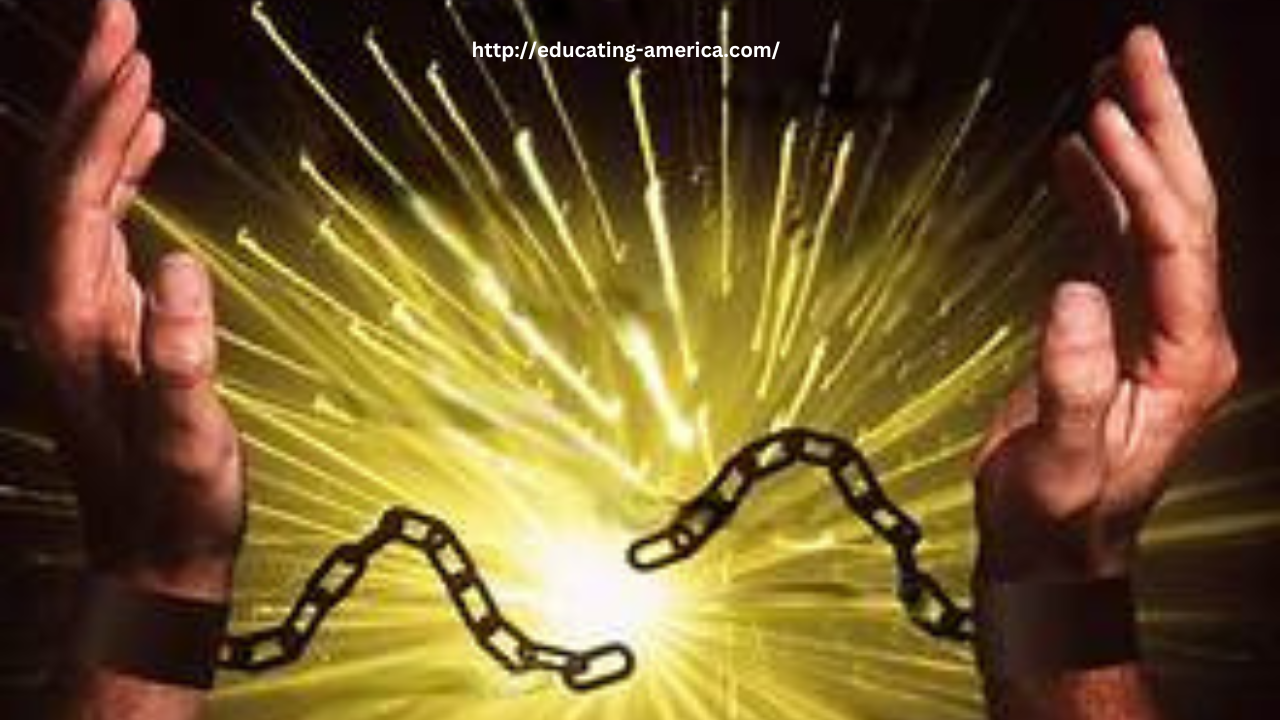
Overcoming addiction is a challenging but achievable journey. With the right approach, resources, and support system, individuals struggling with substance abuse can break free and regain control of their lives. This guide outlines the key steps involved in effective drug treatment, ensuring a comprehensive and lasting recovery.
Step 1: Acknowledging the Problem
The first step toward recovery is recognizing the need for help. Many individuals may struggle with denial, making it crucial to reflect on how substance use affects their health, relationships, and overall well-being. Seeking guidance from trusted friends, family members, or medical professionals can provide the necessary encouragement to take action.
Step 2: Seeking Professional Assessment
Every individual’s journey to recovery is unique, which is why a professional assessment is essential. Addiction specialists and medical professionals evaluate the severity of the addiction, co-occurring mental health disorders, and the best course of treatment. This assessment ensures that the individual receives the most suitable care tailored to their specific needs.
Step 3: Choosing the Right Treatment Program
There are various drug treatment programs available, each designed to cater to different levels of addiction. Some of the most common options include:
- Inpatient Rehabilitation – A residential program where individuals stay at a treatment facility to receive intensive therapy and medical supervision.
- Outpatient Rehabilitation – A more flexible option that allows individuals to attend therapy sessions while maintaining daily responsibilities.
- Detoxification Programs – Medical detox programs help individuals safely manage withdrawal symptoms as they stop using substances.
- Medication-Assisted Treatment (MAT) – Combines medication with counseling to treat substance use disorders, particularly opioid or alcohol addiction.
Step 4: Engaging in Therapy and Counseling
Therapy plays a crucial role in addressing the root causes of addiction and developing coping mechanisms. Some of the most effective therapeutic approaches include:
- Cognitive Behavioral Therapy (CBT) – Helps individuals identify and change negative thought patterns that contribute to substance use.
- Group Therapy – Provides a supportive environment where individuals share their experiences and learn from others facing similar challenges.
- Family Therapy – Involves family members in the recovery process to foster a healthier and more supportive home environment.
- Holistic Therapies – Includes mindfulness, meditation, art therapy, and exercise to promote overall well-being.
Step 5: Establishing a Strong Support System
Recovery is more successful when individuals have a strong support network. This can include family, friends, sponsors, or participation in support groups like Alcoholics Anonymous (AA) or Narcotics Anonymous (NA). Peer support fosters encouragement and accountability throughout the recovery process.
Step 6: Implementing Aftercare Strategies
Long-term success in recovery requires ongoing care even after completing a treatment program. Aftercare strategies include:
- Continued therapy and counseling
- Regular attendance at support group meetings
- Developing healthy lifestyle habits
- Avoiding triggers and high-risk situations
Conclusion
Breaking free from addiction requires commitment, professional support, and a personalized treatment plan. By acknowledging the problem, seeking professional assessment, choosing the right treatment, engaging in therapy, building a support network, and implementing aftercare strategies, individuals can achieve long-lasting recovery and a healthier, fulfilling life.