Archive of ‘Uncategorized’ category

Why Health and Education Are Linked: A Compassionate Look at Wellness and Learning in America

In today’s America, the connection between health and education is stronger than many realize. Individuals who maintain good physical and mental health often experience higher educational attainment, while those facing health challenges, including addiction or mental illness, can struggle to succeed academically. Understanding this link is critical for families, educators, and recovery professionals alike, as it highlights the importance of holistic care that supports both wellness and learning.

At Educating America, we recognize that every individual’s path is unique. Through compassionate addiction recovery services, mental health treatment, and both inpatient and outpatient care, we support people in overcoming obstacles that impact both their health and educational opportunities.

How Physical Health Impacts Learning

Physical health forms the foundation for learning. Students who are well-nourished, get sufficient sleep, and have access to regular medical care are better able to concentrate, retain information, and engage in school activities. Conversely, chronic health conditions, untreated illnesses, or substance misuse can disrupt academic progress and social development.

Children and adults struggling with substance use disorders often experience cognitive and emotional challenges that make learning more difficult. Addressing these health issues through personalized treatment and support services is a critical step toward achieving educational goals.

The Role of Mental Health in Academic Success

Mental health is just as crucial as physical health when it comes to learning. Anxiety, depression, and trauma can create barriers to classroom participation and academic achievement. Students who receive early intervention, counseling, and therapy are more likely to thrive in their educational environments.

At Educating America, our mental health treatment programs integrate evidence-based therapies with holistic and faith-based approaches. By addressing the underlying causes of mental health struggles, individuals are empowered to manage symptoms, improve focus, and re-engage with their education.

How Addiction Recovery Supports Learning

Addiction can significantly hinder educational outcomes. Substance use affects memory, attention, and motivation, creating challenges for anyone trying to succeed academically. Recovery programs that combine inpatient and outpatient care offer structured support, life skills training, and individualized therapy that helps clients regain stability.

Holistic treatment approaches, including mindfulness, nutritional guidance, and spiritual care, can further enhance recovery and support learning. By treating the whole person, not just the addiction, individuals are better equipped to pursue educational and career goals.

Building a Supportive Environment

Schools, families, and communities play a vital role in bridging health and education. Policies that prioritize mental health services, nutritional programs, and substance use education create environments where students can thrive. Encouraging collaboration between healthcare providers and educators ensures that individuals receive the support they need both inside and outside the classroom.

For adults returning to education after recovery, supportive programs can help rebuild confidence, develop new skills, and maintain sobriety. Education becomes not only a personal achievement but also a tool for long-term wellness.

Practical Steps to Strengthen the Link Between Health and Education

  1. Prioritize preventive health care through regular checkups, nutrition, and exercise.
  2. Address mental health early with counseling, therapy, or support groups.
  3. Access personalized addiction treatment that combines inpatient and outpatient care.
  4. Integrate holistic practices such as mindfulness, faith-based guidance, or community support.
  5. Create supportive learning environments that reduce stress and encourage engagement.

Conclusion

Health and education are deeply interconnected, and addressing both is essential for lasting recovery and success. Whether you are supporting a child, returning to school after treatment, or seeking help for a loved one struggling with addiction or mental health challenges, understanding this connection is the first step toward meaningful change.

If you or someone you care about is facing mental health challenges, addiction, or other barriers to learning, reach out to Educating America today. Compassionate, professional, and individualized care can help restore balance, support recovery, and open the door to a brighter educational future.

Lifelong Learning as a Path to Healing, Growth, and Longevity

Learning is not confined to classrooms or traditional education. It is a lifelong process that shapes the mind, nurtures emotional health, and influences physical well-being. Across the United States, research shows that individuals who embrace continuous learning tend to live longer, maintain better mental health, and recover more effectively from life challenges. For those navigating addiction or mental health difficulties, lifelong learning becomes a cornerstone of healing, personal growth, and resilience.

At Educating America, we integrate education into every aspect of care. Our holistic, faith-based, and individualized programs highlight the powerful connection between learning, recovery, and wellness, demonstrating how knowledge and personal development support long-term transformation.


How Lifelong Learning Supports Mental Health

Strengthening Emotional Resilience

Lifelong learning equips individuals with problem-solving skills, self-awareness, and strategies for managing stress. People who actively engage in learning are often better at regulating emotions, reducing anxiety, and maintaining stable mental health. In recovery programs, educational activities help clients identify triggers, develop coping strategies, and rebuild confidence.

Building Self-Efficacy and Purpose

Learning fosters confidence and a sense of achievement. Each new skill or piece of knowledge reinforces self-worth and empowers individuals to take control of their lives. This is particularly important in addiction recovery, where restoring a sense of purpose and autonomy is critical to long-term success.


Education as a Tool in Addiction Recovery

Understanding Addiction Through Knowledge

Recovery is a continuous process that requires insight, skill-building, and behavior change. Educational components within inpatient and outpatient programs teach clients about the biology of addiction, the psychology of habit formation, and strategies for relapse prevention. This understanding enables informed decisions and strengthens commitment to recovery.

Holistic and Faith-Based Learning

At Educating America, education extends beyond academics. Mindfulness practices, nutrition education, creative arts, and physical wellness programs complement traditional therapy. Faith-based programs provide moral guidance, emotional support, and a sense of purpose. Combining these approaches addresses the mind, body, and spirit, promoting comprehensive healing.

Practical Life Skills

Recovery programs also focus on equipping clients with essential life skills, such as communication, time management, financial literacy, and problem-solving. These competencies support independence, reduce stress, and enhance the likelihood of long-term stability.


Lifelong Learning and Longevity

Education has a direct impact on physical health and lifespan. People who engage in continuous learning make informed health decisions, adopt preventive care habits, and remain socially and intellectually active. Cognitive stimulation from ongoing learning reduces the risk of memory-related decline and supports overall brain health. Social engagement, problem-solving, and curiosity—all nurtured through learning—contribute to longer, healthier lives.


Cultivating a Mindset of Growth

Embracing lifelong learning encourages curiosity, adaptability, and personal development. It creates a mindset that values growth over stagnation, resilience over defeat, and knowledge over uncertainty. For those in recovery or facing mental health challenges, this mindset is transformative, fostering confidence, independence, and hope.


Learning as a Pathway to Healing and Longevity

Lifelong learning is more than acquiring knowledge—it is a path to healing, growth, and lasting wellness. At Educating America, we integrate educational opportunities with compassionate care, holistic practices, and personalized recovery plans to help individuals thrive.

If you or a loved one are seeking support for addiction, mental health, or personal development, embracing lifelong learning can be a powerful first step. Reach out today and discover how knowledge, growth, and guided care can lead to a healthier, more fulfilling, and longer life.

How Educational Opportunities Influence Mental Health and Life Expectancy

Education is more than a path to a degree or career success. It shapes the way individuals think, cope, and make decisions that affect both mental and physical well-being. Across the United States, research consistently shows a strong link between educational opportunities, mental health, and life expectancy. Those who have access to learning resources, structured programs, and skill-building opportunities often enjoy healthier lives, greater emotional resilience, and longer lifespans.

At Educating America, we understand that education is a cornerstone of recovery, holistic healing, and long-term wellness. Whether in the context of addiction treatment, mental health care, or personal growth, learning equips individuals with the tools to navigate challenges and build meaningful, sustainable lives.


Education and Mental Health: A Vital Connection

Knowledge Supports Emotional Resilience

Educational experiences—formal or informal—teach problem-solving, emotional regulation, and stress management. People who engage in lifelong learning are often better equipped to handle life’s challenges, reducing anxiety, depression, and feelings of isolation.

In recovery settings, understanding one’s emotions and behaviors is crucial. Educational programs in mental health treatment teach clients to identify triggers, develop coping strategies, and strengthen their emotional intelligence. This knowledge creates a foundation for long-term mental wellness.

Building Confidence and Self-Efficacy

Education fosters confidence. When individuals acquire new skills or understand complex concepts, they develop a sense of accomplishment and self-worth. In the context of recovery, this confidence translates into better adherence to treatment plans, more active participation in therapy, and greater motivation to maintain healthy habits.


How Learning Impacts Life Expectancy

Informed Health Decisions

People with access to education tend to make more informed choices about nutrition, exercise, and preventive care. They are more likely to avoid high-risk behaviors, seek medical attention early, and follow treatment recommendations. These behaviors collectively contribute to longer, healthier lives.

Cognitive Health and Aging

Learning keeps the brain active and engaged. Continuous mental stimulation enhances memory, focus, and problem-solving abilities. Research indicates that individuals who maintain cognitive activity throughout life experience slower cognitive decline, a factor directly linked to longevity.


The Role of Education in Addiction Recovery

Understanding Addiction as a Learning Process

Addiction recovery is not solely about abstaining from substances. It involves understanding the underlying causes, developing new habits, and learning strategies to maintain long-term sobriety. Educational components in recovery programs help clients comprehend the science of addiction, recognize behavioral patterns, and implement practical solutions.

Holistic and Faith-Based Approaches

At Educating America, education extends beyond academics. Holistic learning includes mindfulness, nutrition, fitness, and creative expression, while faith-based programs offer guidance, purpose, and emotional grounding. Combining these approaches strengthens both mental health and physical resilience, enhancing the effectiveness of recovery.

Practical Life Skills

Skill-building is a critical component of recovery education. Clients learn communication, time management, financial literacy, and problem-solving, equipping them to navigate daily life successfully. These skills reduce stress, prevent relapse, and support overall well-being.


Lifelong Learning as a Tool for Wellness

Continuous learning encourages curiosity, adaptability, and social engagement. Lifelong learners are more likely to pursue meaningful activities, maintain healthy routines, and seek community connections. These behaviors enhance both mental health and life expectancy. Education becomes a preventive and empowering tool that supports holistic wellness.


Education as a Path to Health and Longevity

Educational opportunities influence mental health, resilience, and life expectancy in profound ways. At Educating America, we integrate learning with compassionate care, holistic practices, and personalized recovery programs to support lasting wellness.

If you or a loved one are seeking guidance in addiction recovery, mental health support, or personal development, embracing education can transform your journey. Reach out today and begin building the foundation for a longer, healthier, and more fulfilling life.

The Science of Learning and Living Longer: What Every American Should Know

Learning does more than expand knowledge. It shapes brain health, emotional resilience, and long-term well-being. Across America, research continues to reveal a strong connection between education, mental health, and longevity. For individuals facing addiction or mental health challenges, learning becomes a powerful tool for recovery and sustained health. At Educating America, education is not separate from healing. It is an essential part of building a longer, healthier, and more meaningful life.


How Learning Affects the Brain and Body

Brain Health and Cognitive Longevity

The brain is designed to adapt and grow throughout life. Learning stimulates neural connections, strengthens memory, and improves cognitive flexibility. People who continue learning are more likely to maintain mental sharpness as they age, reducing the risk of cognitive decline.

In recovery settings, this brain engagement is especially important. Substance use can disrupt cognitive function, decision making, and emotional regulation. Educational activities help the brain heal, rebuild pathways, and regain clarity over time.

Learning and Physical Health

Education influences physical health by shaping daily choices. Individuals who understand how lifestyle behaviors affect the body are more likely to engage in preventive care, balanced nutrition, and regular physical activity. Learning also improves adherence to medical and mental health treatment, which plays a key role in long-term wellness and longevity.


The Role of Education in Mental Health and Recovery

Emotional Regulation Through Knowledge

Learning supports emotional awareness and self control. When individuals understand how stress, trauma, and thought patterns influence behavior, they gain tools to respond more effectively. This knowledge reduces impulsivity and supports healthier coping strategies.

At Educating America, mental health treatment includes education that helps clients identify emotional triggers and practice regulation skills that strengthen recovery.

Addiction Recovery as a Learning Process

Recovery is not a single moment of change. It is a continuous process of growth and understanding. Educational components in inpatient and outpatient programs teach clients about addiction science, relapse prevention, communication skills, and personal responsibility.

This learning empowers individuals to move forward with confidence instead of fear. Knowledge replaces confusion, and understanding replaces shame.


Holistic Learning and Faith Based Support

Whole Person Education

Holistic learning addresses the mind, body, and spirit together. Practices such as mindfulness, physical wellness education, nutrition awareness, and creative expression support overall balance and healing. These approaches enhance both mental clarity and physical vitality.

Faith based learning adds another dimension by offering purpose, hope, and values that support resilience. For many individuals, spiritual education provides meaning during recovery and strengthens commitment to long-term wellness.

Individualized Education Plans

No two recovery journeys are the same. Personalized education plans ensure that learning aligns with each individual’s needs, goals, and beliefs. This individualized approach improves engagement and increases long-term success.


Why Lifelong Learning Supports Longevity

Learning strengthens adaptability, confidence, and social connection. People who continue learning are more likely to stay engaged with their communities, maintain healthy routines, and pursue purposeful goals. These factors are closely linked to longer life expectancy and higher quality of life.

Education also reduces isolation, which is a major risk factor for both mental and physical decline. Through learning, individuals stay connected to themselves and others.


Knowledge as a Path to a Longer, Healthier Life

The science is clear. Learning supports brain health, emotional resilience, recovery, and longevity. Education empowers individuals to make informed choices, manage stress, and build sustainable habits that protect long-term well-being.

At Educating America, education is integrated into addiction recovery, mental health treatment, and holistic care because healing requires understanding. If you or a loved one is seeking support, now is the time to take the next step. Through compassionate care and lifelong learning, a healthier and more fulfilling future is possible.

Reach out today and begin building a foundation for lasting wellness and recovery.

Education, Recovery, and Resilience: Building a Foundation for Longevity

Education is often viewed simply as a pathway to career success or personal achievement. Yet its influence extends far beyond academic knowledge. Education shapes how we think, respond to challenges, and care for our physical and emotional health. For individuals navigating addiction or mental health challenges, learning becomes a vital tool for recovery, resilience, and long-term wellness. At Educating America, we recognize that education, when combined with compassionate care and holistic support, forms a foundation for living a longer, healthier, and more fulfilling life.


The Link Between Education and Lifelong Health

Education empowers individuals to make informed decisions about their health and well-being. People who continue to learn are more likely to adopt healthy habits, seek preventive care, and avoid high-risk behaviors such as substance misuse. Knowledge strengthens the ability to manage stress, regulate emotions, and develop coping strategies that protect both mental and physical health.

Building Healthy Habits Through Learning

Learning teaches more than facts; it fosters discipline, focus, and self-awareness. These qualities are essential for maintaining routines that support longevity, such as balanced nutrition, regular exercise, and adequate sleep. Education equips individuals with the tools to take proactive steps toward wellness every day.

Emotional Resilience and Mental Health

Educational experiences enhance emotional intelligence and coping skills. Individuals who engage in continuous learning are better prepared to face life’s challenges with clarity and confidence. Emotional resilience is a key predictor of long-term health, and education provides the strategies necessary to build and maintain it.


Education as a Pillar of Addiction Recovery

Recovery from addiction requires more than abstinence. It involves learning new ways to live, understand oneself, and relate to others. Education plays a central role in this process.

Knowledge Empowers Change

In inpatient and outpatient treatment programs, clients learn about the science of addiction, behavioral patterns, and triggers. This understanding allows them to make conscious decisions that support recovery and prevent relapse.

Skill-Building for Daily Life

Education in recovery programs goes beyond theory. Clients acquire practical skills such as time management, financial planning, and effective communication. These competencies help individuals navigate life confidently and independently after treatment.

Integrating Holistic and Faith-Based Learning

At Educating America, recovery programs often combine traditional therapy with holistic approaches such as mindfulness, meditation, and physical wellness. Faith-based guidance adds another layer of support, offering purpose and meaning that reinforce resilience and long-term recovery.


Resilience Through Lifelong Learning

Resilience is built through knowledge, practice, and experience. Lifelong learning strengthens cognitive function, encourages problem-solving, and nurtures self-confidence. Individuals who continue to learn—whether through formal education, personal development, or therapeutic programs—develop the mental and emotional flexibility to adapt to challenges.

By fostering resilience, education contributes directly to longevity. It helps individuals maintain mental sharpness, manage stress, and sustain positive lifestyle choices that extend healthspan and quality of life.


Building a Foundation for Lasting Wellness

Education, recovery, and resilience are deeply interconnected. Knowledge equips individuals to make healthier choices, manage emotions, and navigate life’s challenges. Recovery programs that integrate education, holistic care, and faith-based support provide the tools needed to build a life of purpose, health, and longevity.

At Educating America, we believe that learning is not just preparation for life—it is a critical part of living well. If you or a loved one are seeking support for addiction, mental health challenges, or personal growth, taking the first step through education and compassionate care can transform your future. Reach out today and start building a foundation for lifelong wellness and resilience.

From Classroom to Lifespan: How Education Impacts Wellness and Recovery

Education is often discussed in terms of academic achievement or career advancement, but its influence reaches far deeper. A strong educational foundation shapes emotional strength, decision making, and long-term health outcomes throughout life. For individuals facing addiction or mental health challenges, education becomes more than a path to opportunity. It becomes a powerful tool for healing, self understanding, and lifelong wellness. At Educating America, the connection between learning and recovery is woven into every aspect of care, from holistic treatment models to personalized support plans.


How Education Shapes Lifelong Wellness

Health Awareness and Better Decision Making

People with access to education are more likely to understand how daily choices affect long-term health. This includes nutrition, physical activity, stress management, and the risks associated with substance use. Education helps individuals recognize early warning signs, seek help sooner, and adopt healthier routines that support long-lasting wellness.

Emotional Regulation and Stress Management

Learning builds more than knowledge. It strengthens emotional intelligence, communication skills, and resilience. These abilities play a key role in navigating stressful situations without turning to harmful coping behaviors. In recovery settings, the ability to process emotions and communicate clearly helps clients rebuild confidence and stability.

Improved Quality of Life Over Time

Education opens doors to employment opportunities, financial stability, and community involvement. These factors significantly influence a person’s overall quality of life and longevity. When someone feels secure, supported, and connected, they are more likely to stay motivated and maintain healthy habits.


Education as a Foundation for Addiction Recovery

Recovery is not a single event. It is a continuous learning journey. Treatment programs that integrate educational components give clients the tools they need to rebuild their lives with clarity and purpose.

Self Understanding Through Therapeutic Learning

In both inpatient and outpatient care, clients learn about the science of addiction, patterns of behavior, and how triggers develop. This knowledge helps individuals understand their personal challenges and gives them a clear roadmap for change.

Skill Building for Daily Living

From time management to financial responsibility, education empowers individuals to function confidently in everyday life. Many people entering recovery may have missed years of personal development due to addiction. Structured learning helps rebuild these essential skills, creating a stronger foundation for long-term success.

Holistic and Faith Based Learning Opportunities

Educating America supports a range of holistic and spiritual approaches that complement clinical care. Clients can learn mindfulness practices, grounding techniques, nutritional habits, and faith centered tools that nurture emotional and physical healing. These forms of education support the whole person, not just the symptoms of addiction.


The Role of Education in Mental Health and Long-Term Recovery

Strengthening Cognitive Function

Continuous learning keeps the brain active, improving memory, focus, and problem solving. These cognitive benefits are especially important for individuals recovering from substance use, as the brain heals and rewires over time.

Building Confidence and Self Worth

Education allows individuals to set goals and achieve them. Even small accomplishments can rebuild a sense of self worth that addiction often damages. Confidence becomes a driving force for continued growth and sustained recovery.

Encouraging Lifelong Purpose

Purpose is a powerful motivator. When clients engage in learning, whether through formal education or personal development, they begin to see new possibilities for their future. This sense of direction supports long-term sobriety and emotional stability.


Learning as a Path to Healing and Longevity

The journey from classroom to lifelong wellness is not always straightforward, but education remains one of the most powerful tools for shaping health, resilience, and recovery. At Educating America, clients receive more than treatment. They receive opportunities to learn, grow, and understand themselves in ways that strengthen every part of their lives.

If you or someone you love is seeking support, now is the time to take the next step. Recovery becomes stronger, clearer, and more hopeful when learning becomes part of the process. Reach out today and begin building a healthier, more fulfilling future.

Why Learning for Life May Be the Key to Living Longer

Education is often seen as a tool for career advancement or personal achievement, but its impact goes far beyond the classroom. Research increasingly shows that lifelong learning can play a significant role in longevity, mental health, and overall well-being. In the United States, individuals who remain engaged in learning—through formal education, personal development, or recovery programs—tend to live longer, manage stress better, and navigate life challenges with greater resilience.

At Educating America, we recognize that learning is not just an academic pursuit. It is a vital part of recovery, holistic health, and building a life of purpose and balance. Lifelong education strengthens the mind, nurtures emotional health, and promotes habits that support long-term wellness.


How Lifelong Learning Supports Physical Health

Informed Choices and Healthy Habits

Education equips people with the knowledge to make healthier lifestyle choices. Individuals who continue to learn are more likely to eat well, exercise regularly, and prioritize preventive care. They are also less likely to engage in high-risk behaviors, including substance misuse, which can directly impact lifespan and quality of life.

Cognitive Stimulation and Longevity

Ongoing learning keeps the brain active and engaged, improving cognitive function and reducing the risk of memory-related conditions. Studies show that mentally active individuals are less likely to experience cognitive decline, which contributes to overall life expectancy.


Mental Health Benefits of Lifelong Learning

Learning nurtures emotional resilience. Those who engage in ongoing education often develop better problem-solving skills, self-awareness, and coping strategies for stress and anxiety. This is particularly important for individuals navigating addiction or mental health challenges, where emotional regulation and self-reflection are key to recovery.

At Educating America, our programs integrate educational opportunities alongside therapy and counseling. Clients learn to understand their triggers, communicate effectively, and implement strategies for lasting mental wellness. Education is both a tool and a support system, enhancing emotional strength and confidence.


Lifelong Learning in Addiction Recovery

Addiction recovery is a journey that extends beyond detox. It requires developing life skills, rebuilding relationships, and finding meaning. Educational components within rehab programs teach clients practical strategies for daily living, financial management, and self-care.

Holistic and Faith-Based Learning

Holistic approaches—such as mindfulness, fitness, nutrition, and creative expression—complement traditional education in recovery. For those seeking spiritual guidance, faith-based programs provide purpose, accountability, and additional support. Combining these approaches allows individuals to heal fully, addressing the mind, body, and spirit.

Building Sustainable Habits

Learning empowers clients to adopt healthy habits that last beyond the treatment center. From stress management to social engagement, these skills directly influence long-term health, resilience, and longevity.


Practical Ways to Embrace Lifelong Learning

  • Participate in recovery or mental health programs that integrate skill-building and educational workshops.
  • Explore online courses, reading, and personal development opportunities.
  • Engage in activities that challenge the mind, such as puzzles, creative projects, or volunteer work.
  • Incorporate holistic practices like meditation, nutrition, and exercise as part of a continuous learning journey.

Knowledge as a Path to a Longer, Healthier Life

Lifelong learning is more than a pursuit of knowledge—it is a strategy for living longer, healthier, and more meaningful lives. Education equips individuals to make informed choices, manage emotions, and build resilience, all of which contribute to well-being and longevity.

At Educating America, we combine compassionate care, holistic support, and educational opportunities to guide clients toward lasting recovery and personal growth. Whether you are seeking help with addiction, mental health challenges, or simply wish to enhance your life skills, embracing lifelong learning can be transformative.

Take the first step today. Learning for life is a commitment that can lead to a healthier, longer, and more fulfilling future.

The Hidden Link Between Education and a Longer, Healthier Life in America

When people think about education, career advancement and professional opportunities often come to mind first. Yet the benefits of learning extend far beyond the classroom or workplace. Research shows that education plays a critical role in health, longevity, and overall quality of life. In America, those with higher levels of education tend to live longer, maintain better mental health, and recover more effectively from life challenges, including addiction and chronic illness. Understanding this hidden connection can empower individuals to embrace learning as a pathway to lifelong wellness.

At Educating America, we see firsthand how knowledge, personal growth, and structured learning environments contribute to recovery, mental health, and lasting well-being. Education is not just an intellectual pursuit—it is a foundation for a healthier, more fulfilling life.


Education and Lifespan: The Evidence

Studies consistently link higher education levels with longer life expectancy. People with access to learning opportunities are more likely to make informed health decisions, seek preventive care, and adopt habits that protect their physical and emotional health.

Education encourages critical thinking, problem-solving, and self-discipline. These skills are essential not only for academic success but also for navigating life’s challenges. Individuals with higher education levels are less likely to engage in risky behaviors such as substance misuse or neglecting medical care, both of which can impact lifespan and quality of life.


The Role of Learning in Mental Health and Addiction Recovery

Mental Health Benefits

Education improves emotional resilience by fostering awareness, coping strategies, and social connectedness. Lifelong learners are often better equipped to manage stress, anxiety, and depression. They are also more likely to engage in supportive communities, which reduces isolation and promotes emotional stability.

Addiction Recovery and Educational Support

Recovery from addiction requires more than just abstinence from substances. Knowledge and skill-building play a vital role in sustaining long-term recovery. At Educating America, addiction recovery programs integrate educational components alongside therapy, life skills training, and faith-based guidance. Clients learn to understand triggers, communicate effectively, and develop habits that support lifelong sobriety.


Holistic and Faith-Based Approaches to Lifelong Learning

Education is not limited to traditional classrooms. Holistic learning approaches—including mindfulness, nutrition, fitness, and creative therapies—help individuals restore balance in their lives. Faith-based programs also provide guidance, purpose, and a framework for personal growth, further supporting mental and physical well-being.

By integrating these approaches, programs at Educating America teach clients how to care for their bodies, minds, and spirits. This comprehensive education fosters resilience and encourages long-term habits that contribute to both health and longevity.


Building a Culture of Education and Wellness

Promoting access to education and learning opportunities in recovery settings has far-reaching benefits. Individuals who are engaged in learning are more likely to take proactive steps in their health, pursue treatment when needed, and maintain positive lifestyle changes. In essence, education becomes a preventive measure that strengthens both physical and mental health.


Investing in Knowledge for a Healthier Future

The hidden link between education and a longer, healthier life is clear: knowledge empowers individuals to make better choices, build resilience, and embrace recovery. At Educating America, we combine personalized education with holistic care, faith-based support, and compassionate guidance to help clients thrive.

If you or a loved one are seeking ways to improve mental health, overcome addiction, or enhance overall well-being, taking the first step through education and structured recovery programs can be transformative. Reach out today and discover how learning, growth, and care can lead to a healthier, longer life.

How American Education Shapes Lifelong Health and Longevity

Education is more than a path to a better career. It is a foundation that influences how we live, think, and care for ourselves throughout life. Across America, studies consistently show that higher levels of education correlate with longer life expectancy, improved mental health, and stronger resilience against challenges such as addiction and chronic illness. At Educating America, the connection between learning and healing is more than a theory—it is a cornerstone of personal transformation.


Education and Health: The Connection That Changes Lives

Education does more than increase knowledge. It shapes habits, decisions, and emotional stability. Individuals who pursue learning—whether through formal education, recovery programs, or faith-based guidance—are more likely to make informed choices about health and well-being.

Research shows that people with more education are less likely to engage in harmful behaviors such as substance misuse, smoking, or poor diet choices. They are also more likely to seek preventive healthcare, manage stress effectively, and maintain a balanced lifestyle. Education empowers individuals to take charge of their physical and emotional health, making it one of the most powerful tools for lifelong wellness.


The Role of Education in Addiction Recovery and Mental Health

In the journey to recovery, learning is at the heart of change. Addiction often thrives in environments of pain, uncertainty, and disconnection. Education—both formal and therapeutic—provides structure, purpose, and self-awareness. It teaches individuals how to manage emotions, develop coping skills, and rebuild confidence.

At Educating America, recovery programs combine evidence-based treatment with personalized learning experiences. Clients not only heal from addiction but also gain life skills, mental clarity, and spiritual grounding. This blend of academic and emotional education helps prevent relapse and supports a sustainable recovery process.


Holistic Learning for a Healthier, Longer Life

Holistic education recognizes that wellness extends beyond academics. It integrates mind, body, and spirit. This is why faith-based and individualized approaches matter—they help people find meaning and direction. Whether it is through group therapy, personal reflection, or skill development, holistic learning encourages long-term growth.

People who continue to learn throughout their lives—through reading, spiritual study, or creative exploration—tend to have lower rates of depression, better emotional balance, and stronger cognitive health as they age. Lifelong learners are also more socially connected and less isolated, two factors closely linked to longevity.


Building a Culture of Education and Wellness in America

True education is not limited to classrooms. It begins with awareness and continues with personal growth. By promoting accessible mental health care, faith-based support, and recovery programs, America can build a culture where education nurtures both the mind and the soul.

When people understand the link between knowledge and health, they become more proactive in managing their lives. They seek help earlier, set meaningful goals, and build habits that protect their physical and emotional well-being. Education, in this sense, becomes a preventive form of healthcare.


Taking the Next Step Toward a Healthier Future

Living longer and healthier begins with learning—about yourself, your challenges, and your potential for change. Whether you are beginning a recovery journey, seeking emotional healing, or exploring new life skills, education can open the door to lasting transformation.

At Educating America, the mission is to empower individuals through knowledge, faith, and compassionate care. If you or someone you love is ready to take the next step toward recovery and personal growth, reach out today. Learning is not only a path to opportunity—it is the key to a healthier, longer, and more fulfilling life.

Rehab Decisions Made Simple: How to Navigate the Complex World of Drug Treatment

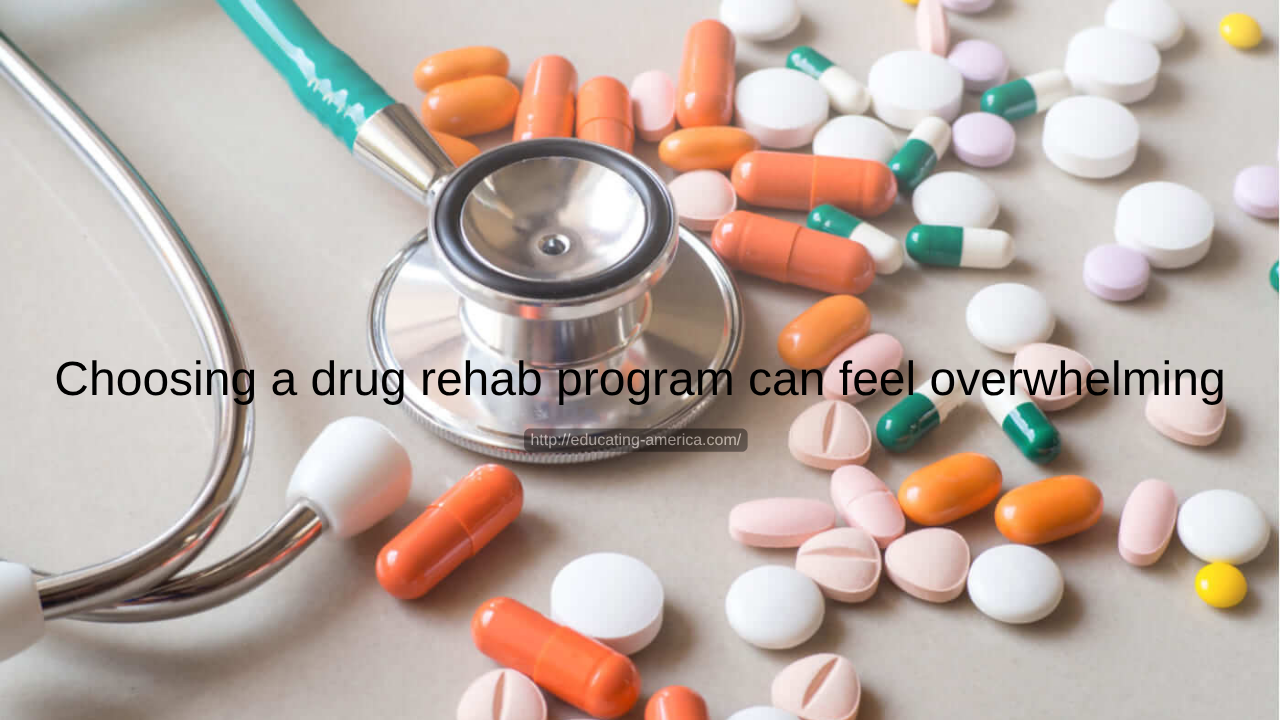
Choosing a drug rehab program can feel overwhelming. With so many treatment centers, philosophies, and options available, it is easy to feel uncertain about where to begin. But making the right decision does not have to be confusing or stressful. When you understand what effective addiction treatment really looks like, you can make an informed choice that sets the foundation for lasting recovery.

At Educating America, the focus is on helping individuals find clarity in a complex process. By combining evidence-based care, holistic healing, and faith-based guidance, clients are empowered to choose a treatment path that fits their unique needs.

Understanding the Core of Effective Rehab

Addiction is not just a physical condition—it affects every part of a person’s life, including emotional health, relationships, and sense of purpose. That is why a quality rehab program must offer more than detox and withdrawal management. It should provide comprehensive care that addresses the mind, body, and spirit.

A Holistic and Individualized Approach

Every person’s struggle with addiction is different. A one-size-fits-all program rarely produces lasting results. Personalized treatment plans, like those at Educating America, take into account each individual’s background, substance use history, mental health status, and personal beliefs.

This individualized approach ensures that clients receive the right balance of medical support, therapy, and personal growth opportunities that align with their long-term goals.

Inpatient vs. Outpatient: Which Is Right for You?

Inpatient Treatment

Inpatient care offers a structured environment where individuals can fully focus on recovery without external distractions or triggers. Clients receive 24-hour support from trained professionals who guide them through detox, therapy, and relapse prevention planning.

Outpatient Treatment

For those with work, school, or family commitments, outpatient care offers flexibility while maintaining accountability. Clients attend scheduled therapy sessions and support groups while living at home, applying what they learn directly to their daily lives.

Understanding which level of care best fits your situation is one of the first key decisions in navigating rehab options.

The Role of Therapy and Support in Recovery

Therapy is the heart of addiction treatment. Through counseling, clients explore the emotional roots of substance use and develop new ways to cope with stress and triggers.

Types of Therapy to Expect

  • Individual therapy focuses on personal growth and emotional healing.
  • Group therapy builds community and connection with others who share similar experiences.
  • Family therapy helps rebuild relationships and create a supportive home environment.

By integrating these forms of therapy with holistic practices like meditation, nutrition, and fitness, clients learn to heal on every level.

The Power of Faith-Based and Holistic Healing

For many, faith provides strength and direction throughout the recovery process. Faith-based programs at Educating America blend spiritual guidance with evidence-based treatment, offering both hope and structure. Holistic elements such as yoga, mindfulness, and nutritional care complement this by supporting physical and emotional restoration.

These approaches help individuals not only stop substance use but also rediscover meaning and purpose in their lives.

Planning for Long-Term Success

Recovery does not end when treatment does. The most successful programs prepare clients for life after rehab by creating detailed aftercare plans. These include ongoing therapy, relapse prevention strategies, support groups, and lifestyle coaching. The goal is to help individuals build the confidence and resilience needed for long-term sobriety.

Finding Clarity in the Journey

Navigating the world of rehab can feel complex, but it becomes simpler when you know what to look for. Choose a program that values you as an individual, offers a holistic approach, and provides continuous support.

At Educating America, clients receive more than treatment—they receive guidance, compassion, and the tools needed for a renewed life. If you or a loved one are searching for the right path to recovery, reach out today. The first step toward healing starts with an informed and confident decision.

1 2 3 4 5 8