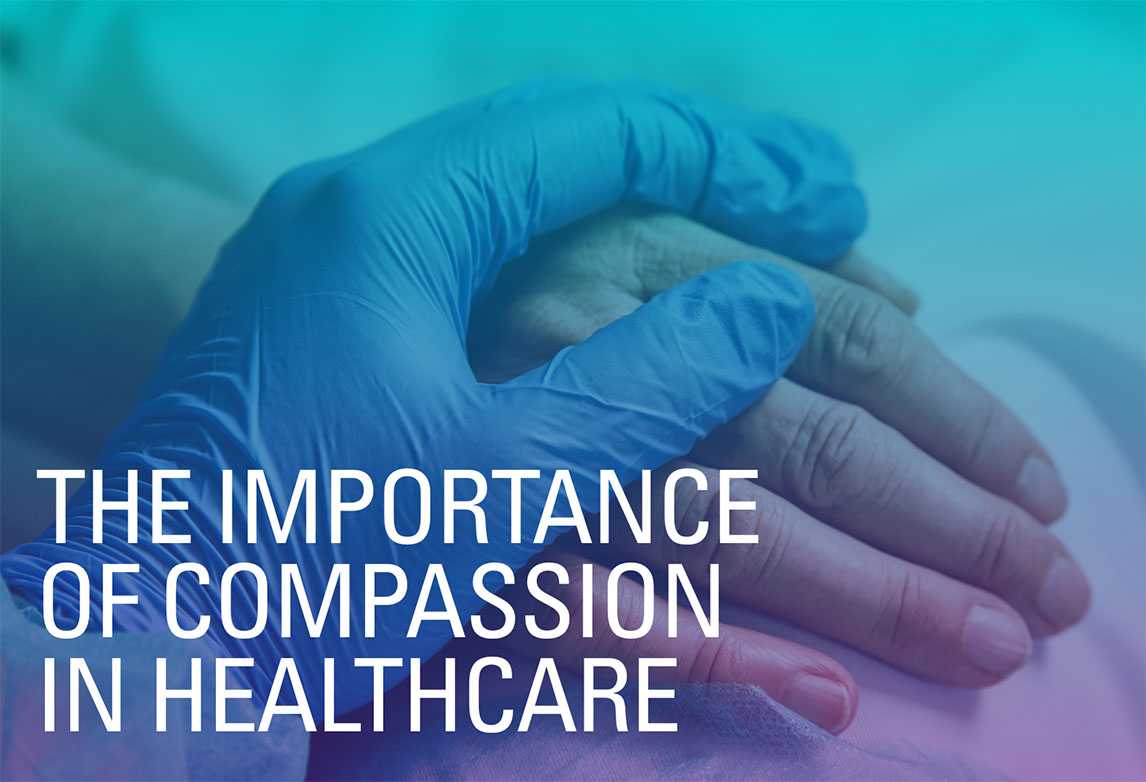
In today’s America, the connection between health and education is stronger than many realize. Individuals who maintain good physical and mental health often experience higher educational attainment, while those facing health challenges, including addiction or mental illness, can struggle to succeed academically. Understanding this link is critical for families, educators, and recovery professionals alike, as it highlights the importance of holistic care that supports both wellness and learning.
At Educating America, we recognize that every individual’s path is unique. Through compassionate addiction recovery services, mental health treatment, and both inpatient and outpatient care, we support people in overcoming obstacles that impact both their health and educational opportunities.
How Physical Health Impacts Learning
Physical health forms the foundation for learning. Students who are well-nourished, get sufficient sleep, and have access to regular medical care are better able to concentrate, retain information, and engage in school activities. Conversely, chronic health conditions, untreated illnesses, or substance misuse can disrupt academic progress and social development.
Children and adults struggling with substance use disorders often experience cognitive and emotional challenges that make learning more difficult. Addressing these health issues through personalized treatment and support services is a critical step toward achieving educational goals.
The Role of Mental Health in Academic Success
Mental health is just as crucial as physical health when it comes to learning. Anxiety, depression, and trauma can create barriers to classroom participation and academic achievement. Students who receive early intervention, counseling, and therapy are more likely to thrive in their educational environments.
At Educating America, our mental health treatment programs integrate evidence-based therapies with holistic and faith-based approaches. By addressing the underlying causes of mental health struggles, individuals are empowered to manage symptoms, improve focus, and re-engage with their education.
How Addiction Recovery Supports Learning
Addiction can significantly hinder educational outcomes. Substance use affects memory, attention, and motivation, creating challenges for anyone trying to succeed academically. Recovery programs that combine inpatient and outpatient care offer structured support, life skills training, and individualized therapy that helps clients regain stability.
Holistic treatment approaches, including mindfulness, nutritional guidance, and spiritual care, can further enhance recovery and support learning. By treating the whole person, not just the addiction, individuals are better equipped to pursue educational and career goals.
Building a Supportive Environment
Schools, families, and communities play a vital role in bridging health and education. Policies that prioritize mental health services, nutritional programs, and substance use education create environments where students can thrive. Encouraging collaboration between healthcare providers and educators ensures that individuals receive the support they need both inside and outside the classroom.
For adults returning to education after recovery, supportive programs can help rebuild confidence, develop new skills, and maintain sobriety. Education becomes not only a personal achievement but also a tool for long-term wellness.
Practical Steps to Strengthen the Link Between Health and Education
- Prioritize preventive health care through regular checkups, nutrition, and exercise.
- Address mental health early with counseling, therapy, or support groups.
- Access personalized addiction treatment that combines inpatient and outpatient care.
- Integrate holistic practices such as mindfulness, faith-based guidance, or community support.
- Create supportive learning environments that reduce stress and encourage engagement.
Conclusion
Health and education are deeply interconnected, and addressing both is essential for lasting recovery and success. Whether you are supporting a child, returning to school after treatment, or seeking help for a loved one struggling with addiction or mental health challenges, understanding this connection is the first step toward meaningful change.
If you or someone you care about is facing mental health challenges, addiction, or other barriers to learning, reach out to Educating America today. Compassionate, professional, and individualized care can help restore balance, support recovery, and open the door to a brighter educational future.