Archive of ‘Uncategorized’ category

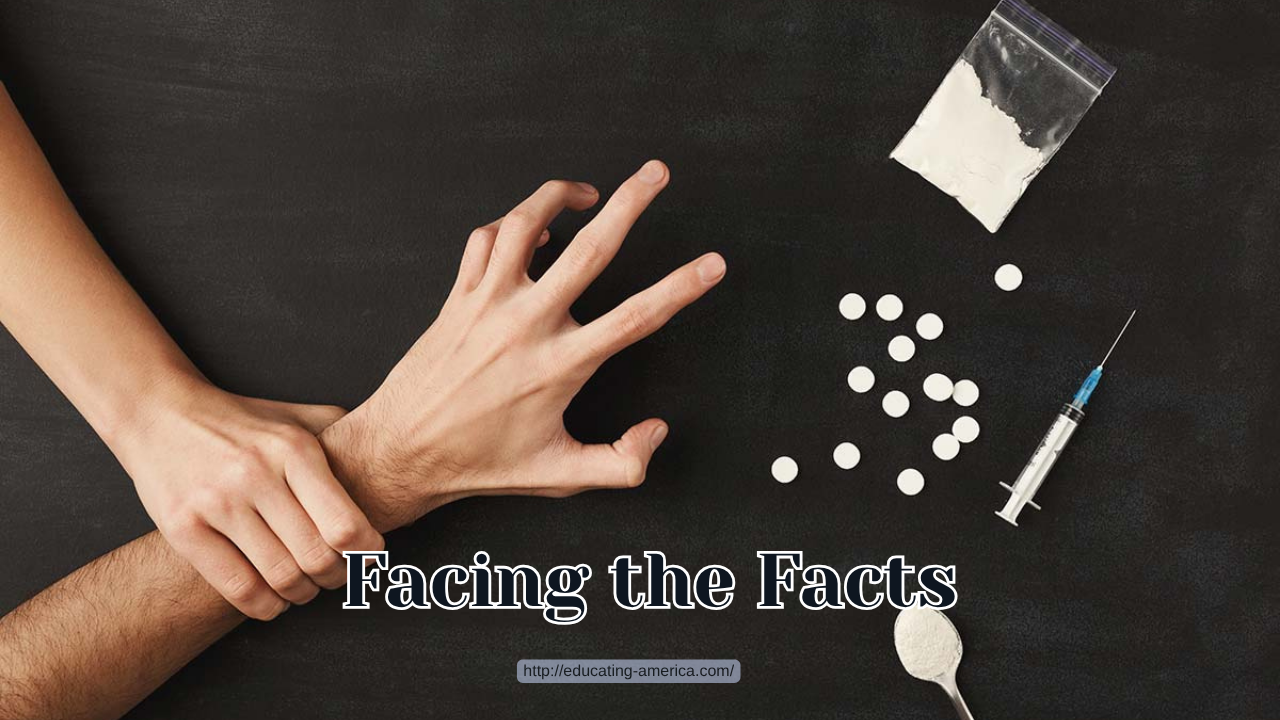
Facing the Facts: Understanding the Real Process of Addiction Treatment

Addiction treatment is often misunderstood. Many people imagine rehab as a quick fix or a uniform process, but recovery is far more personal and complex. The truth is that overcoming addiction involves courage, patience, and a structured plan that addresses physical, emotional, and spiritual well-being. By understanding what really happens in treatment, individuals can approach recovery with realistic expectations and lasting hope.

The Truth About Addiction Treatment

Addiction is not simply a matter of willpower. It is a chronic condition that affects brain chemistry, decision-making, and behavior. Effective treatment must go beyond stopping drug or alcohol use—it must help individuals rebuild their lives from the inside out.

At Educating America, addiction recovery services are designed to treat the whole person, not just the symptoms. With a focus on compassion, professionalism, and individualized care, clients receive the support they need to heal at every level.

Step One: A Comprehensive Assessment

Every successful recovery journey begins with understanding the individual. During the initial assessment, treatment professionals evaluate physical health, mental health conditions, substance use history, and life circumstances. This helps create a personalized treatment plan that fits each client’s needs, whether that involves medical detox, therapy, or faith-based support.

No two paths to recovery are the same. By identifying each person’s unique challenges and strengths, treatment becomes more targeted and effective.

Step Two: Detox and Physical Stabilization

The Role of Detox in Recovery

Detoxification is often the first step of treatment, allowing the body to clear harmful substances in a medically supervised setting. This stage focuses on managing withdrawal symptoms safely and ensuring that the client is physically stable before moving on to deeper therapeutic work.

At Educating America, detox is handled with care and compassion. Clients are monitored by medical professionals who prioritize safety and comfort throughout the process.

Step Three: Therapy and Emotional Healing

Individual and Group Therapy

Once the body begins to heal, the mind and emotions become the focus. Individual counseling helps uncover the root causes of addiction, such as trauma, stress, or co-occurring mental health conditions. Group therapy builds community and provides accountability, reminding clients that they are not alone in their journey.

Holistic and Faith-Based Approaches

Recovery is more than abstinence—it’s about restoring balance and meaning to life. Holistic therapies like meditation, nutrition counseling, and exercise support physical and emotional wellness. For those who value spirituality, faith-based programs offer an additional layer of purpose and guidance.

Step Four: Developing Life Skills and Aftercare Plans

True recovery extends beyond treatment. Clients work on building healthy habits, improving communication skills, and setting long-term goals. As treatment concludes, aftercare planning ensures ongoing support through counseling, peer groups, and community resources.

Aftercare is one of the most critical parts of recovery. It helps individuals maintain accountability and continue growing in confidence as they reintegrate into everyday life.

The Real Goal of Addiction Treatment

The ultimate goal of rehab is not just sobriety—it is transformation. Recovery means learning how to live a life of stability, purpose, and self-respect. It takes time, effort, and the right support system, but the rewards are life-changing.

At Educating America, every client receives the tools, compassion, and faith-based encouragement needed to make lasting progress.

Take the First Step Toward True Healing

Facing the facts about addiction treatment helps remove fear and uncertainty. Recovery is not a straight line, but it is possible with the right guidance and commitment. Whether through inpatient care, outpatient services, or holistic and faith-based programs, Educating America provides personalized treatment that meets clients where they are and helps them move toward lifelong healing.

If you or someone you love is ready to begin the journey to recovery, reach out today. The path may be challenging, but the destination—a life of freedom and fulfillment—is worth every step.


No Quick Fix: What You Must Know Before Picking a Drug Rehab Program

Deciding to enter a drug rehab program is one of the most significant choices a person struggling with addiction can make. Yet many people start this journey with the expectation of a quick solution. The truth is that recovery is not instant, and no program can provide an overnight cure. Choosing the right rehab requires careful consideration, an understanding of what effective treatment looks like, and the willingness to commit to a long-term healing process.

The Myth of the Quick Fix

Addiction affects the mind, body, and spirit, which makes recovery a complex and layered journey. Detox may clear substances from the system, but it does not address the deeper issues that drive addictive behaviors. Real treatment involves therapy, support, and lifestyle changes that unfold over time. When evaluating rehab options, it is important to avoid programs that promise instant results or one-size-fits-all solutions.

What to Look for in a Drug Rehab Program

Comprehensive and Personalized Care

The best treatment centers recognize that every individual’s story is different. Effective rehab programs create tailored plans that consider a person’s substance use history, co-occurring mental health conditions, family situation, and personal goals. At Educating America, treatment combines medical expertise with compassionate, individualized approaches that guide each person toward lasting recovery.

Inpatient and Outpatient Options

Not everyone needs or can commit to the same level of care. Inpatient rehab provides a structured environment with 24-hour support, making it ideal for those with severe addictions or unsafe home settings. Outpatient care allows individuals to maintain responsibilities while receiving treatment. Understanding the differences and choosing the level of care that fits your needs is critical for success.

Holistic and Faith-Based Healing

Addiction recovery is about more than ending substance use. True healing often requires addressing emotional pain, rebuilding relationships, and reconnecting with a sense of purpose. Holistic services such as mindfulness, nutrition, exercise, and spiritual support are valuable tools in restoring balance. Faith-based programs can also provide strength, accountability, and hope for those who wish to integrate spirituality into their recovery.

Avoiding Common Pitfalls in Choosing Rehab

Watch Out for Unrealistic Promises

If a program guarantees complete recovery in a matter of weeks, it may not be trustworthy. Recovery is a process that requires time, effort, and continued support after treatment.

Look for Accredited Facilities

Quality rehab centers are licensed and accredited, ensuring they meet professional standards. Always verify credentials and ask about staff qualifications before enrolling.

Consider Aftercare Support

Rehab is only the beginning. Without follow-up care, the risk of relapse is high. Effective programs provide aftercare planning, including therapy, peer support groups, and relapse prevention strategies to strengthen long-term success.

Long-Term Commitment Leads to Lasting Freedom

Recovery is not about perfection, but progress. Choosing a rehab program should be less about finding a quick escape and more about committing to a guided, supportive journey that continues well beyond initial treatment. With the right program, individuals can develop the tools to manage stress, overcome triggers, and build a healthy, fulfilling life.

Take the Next Step Toward Healing

There is no shortcut to recovery, but there are proven pathways that lead to lasting change. By selecting a rehab program that offers personalized care, holistic healing, and strong aftercare support, individuals give themselves the best chance at freedom from addiction. At Educating America, every program is designed with compassion and expertise to help people reclaim their lives.

If you or a loved one are considering rehab, reach out today. The journey may not be quick, but it is worth every step toward healing and hope.

Inside Rehab: The Truth About Costs, Care, and Long-Term Success

For many people considering drug or alcohol treatment, questions about costs, quality of care, and long-term outcomes weigh heavily on the decision. It is easy to feel overwhelmed by the variety of programs available and the conflicting information found online. The reality is that effective rehab is an investment in health, stability, and a brighter future. By understanding what goes into the price of treatment, what care truly looks like inside rehab, and how long-term success is supported, individuals can make more confident choices for recovery.

Understanding the Costs of Rehab

What Determines the Price?

Rehab costs vary widely, and that is often one of the first hurdles families face. Several factors influence the price:

  • Level of care: Inpatient programs with 24-hour support generally cost more than outpatient care, which allows clients to live at home.
  • Length of stay: Programs can range from 30 days to several months depending on individual needs.
  • Services offered: Holistic therapies, medical detox, dual diagnosis treatment, and faith-based programs can affect overall cost.
  • Location and amenities: Facilities in certain regions or with added amenities may charge higher fees.

While the cost can feel intimidating, it is important to weigh it against the long-term expenses of untreated addiction, which often include medical bills, legal issues, and lost income.

Options for Financial Assistance

Many treatment centers, including those at Educating America, help clients explore insurance coverage, payment plans, and scholarship opportunities. No one should feel that recovery is out of reach because of finances. Asking about assistance programs can make treatment more accessible than it may seem at first.

What Care in Rehab Really Looks Like

A Holistic and Individualized Approach

Modern rehab is not about punishment or rigid control. Instead, treatment centers provide a compassionate environment where physical health, mental wellness, and spiritual needs are addressed together. Programs are tailored to each person, recognizing that no two recovery journeys are the same.

Therapy and Support Systems

Clients can expect a balance of individual counseling, group therapy, and family involvement. These approaches help uncover the root causes of addiction, build healthy coping strategies, and repair relationships. Holistic options like fitness, mindfulness, and nutritional support further enhance recovery. Faith-based elements are also available for those who want to integrate spirituality into their healing process.

A Safe and Supportive Community

Being surrounded by others who share similar struggles creates a strong sense of belonging. The rehab environment fosters accountability while also encouraging encouragement and hope.

The Key to Long-Term Success

Aftercare Planning

Recovery does not end the day someone leaves rehab. The most effective programs design detailed aftercare plans that may include outpatient therapy, peer support groups, or sober living arrangements.

Building Skills for Life

Clients leave with more than sobriety. They gain communication skills, stress management techniques, and relapse prevention strategies that prepare them for real-world challenges.

Lasting Support Systems

Faith-based groups, alumni programs, and continued therapy help ensure clients do not feel isolated after treatment. Having a strong support network is one of the greatest predictors of long-term success.

Choosing a Future of Healing

Rehab is an investment that extends far beyond the initial cost. True recovery is built on compassionate care, individualized treatment, and a plan for lifelong success. At Educating America, programs are designed to meet people where they are and provide the tools they need to build a healthier, more fulfilling life.

If you or a loved one are weighing the decision to enter rehab, take the next step with confidence. Reach out today and discover how healing, hope, and freedom are closer than you think.

What to Expect in Rehab: A Realistic Guide to Drug Treatment Choices

Deciding to enter a rehab program is one of the most courageous steps a person can take toward reclaiming their life. Yet many people hesitate because they are unsure of what treatment will actually look like. Misconceptions about rigid schedules, lack of freedom, or impersonal care often discourage individuals from seeking help. The truth is that modern rehab programs are more flexible, compassionate, and effective than ever before. Understanding what to expect helps remove fear and empowers you or your loved one to make the best possible treatment choice.

Understanding the Purpose of Rehab

Rehab is more than a place to stop using drugs or alcohol. It is a structured environment designed to support physical healing, emotional stability, and personal growth. Addiction affects the body, mind, and spirit, and recovery must address all three. At Educating America, treatment is focused not only on overcoming substance use but also on building a foundation for long-term wellness.

The First Step: Assessment and Personalized Planning

When someone enters rehab, the first step is usually a comprehensive assessment. Medical professionals and counselors work together to evaluate substance use history, physical health, mental health concerns, and personal goals. This information shapes an individualized treatment plan tailored to each client’s needs.

Instead of a one-size-fits-all approach, a personalized plan ensures that clients receive care that aligns with their background, beliefs, and recovery goals. This may include medical detox, therapy, faith-based counseling, or holistic practices.

What Daily Life in Rehab Looks Like

Structure and Support

A typical day in rehab provides structure without being overwhelming. Clients participate in therapy sessions, group discussions, educational workshops, and wellness activities. These are balanced with downtime for rest and reflection.

Therapy and Counseling

Individual therapy helps clients uncover the root causes of addiction, while group therapy builds community and accountability. Family therapy is often offered to heal relationships and strengthen support networks outside of treatment.

Holistic and Faith-Based Options

Many programs now integrate holistic methods like yoga, mindfulness, nutrition, and fitness. For those who wish to include spirituality in their journey, faith-based services provide additional comfort and guidance.

Inpatient vs. Outpatient: Choosing the Right Fit

Not everyone needs the same level of care.

  • Inpatient rehab provides 24-hour supervision and is ideal for those who need a safe, immersive environment to focus fully on recovery.
  • Outpatient rehab allows individuals to continue living at home while attending scheduled sessions, offering flexibility for work, school, or family responsibilities.

Choosing between the two depends on the severity of addiction, home environment, and personal circumstances.

Aftercare and Long-Term Success

One of the most important parts of rehab is planning for life after treatment. Recovery does not end when a program does. Aftercare services, relapse prevention strategies, and ongoing support groups ensure that clients stay connected and supported as they transition back into daily life.

Taking the Next Step with Confidence

Entering rehab can feel uncertain, but knowing what to expect brings clarity and peace of mind. Effective programs like those at Educating America provide structure, compassion, and individualized care that address the whole person. With options for inpatient, outpatient, holistic, and faith-based treatment, clients can find a path that truly fits their needs.

If you or a loved one are considering rehab, do not let fear or misconceptions hold you back. Reach out today and begin the journey toward healing, freedom, and lasting recovery.

Choosing Rehab Wisely: Avoiding Pitfalls and Finding the Right Fit

Making the decision to enter a drug or alcohol treatment program is a life-changing step, but not all rehabs are created equal. Families and individuals searching for help often encounter glossy websites, big promises, and confusing options. Choosing wisely means looking beyond marketing claims and focusing on what truly leads to recovery. By understanding the common pitfalls and knowing what to look for, you can find a program that supports long-term healing and lasting change.

Why the Right Rehab Choice Matters

Recovery is not just about stopping substance use. It is about building a new way of living that addresses emotional, physical, and spiritual needs. A rehab program that does not align with your specific situation can lead to frustration, relapse, or feelings of failure. On the other hand, the right program can provide hope, stability, and tools for a brighter future.

Educating America is committed to individualized care, helping clients find treatment that fits their unique journey rather than forcing them into a one-size-fits-all model.

Common Pitfalls to Avoid in Choosing a Rehab

Believing in Quick Fixes

Recovery is not an overnight process. Beware of facilities that promise instant results or guarantee permanent sobriety in 30 days. Addiction is complex, and true healing requires time, effort, and ongoing support.

Overlooking Mental Health Treatment

Many people with substance use disorders also struggle with depression, anxiety, trauma, or other mental health challenges. If a program does not address these co-occurring conditions, recovery may only be partial. Look for a facility that integrates dual diagnosis treatment to treat both addiction and mental health together.

Ignoring Accreditation and Licensing

Not every treatment center follows the same standards of care. Choosing a licensed and accredited facility ensures professional oversight, qualified staff, and adherence to ethical practices. This step protects clients and provides confidence in the quality of treatment.

Choosing Convenience Over Fit

It is tempting to choose the nearest or least expensive program, but convenience should not be the deciding factor. The best rehab is the one that meets your needs, whether that means inpatient care with 24-hour support or outpatient care with flexibility to maintain work and family commitments.

What to Look For in a Rehab Program

Individualized Treatment Plans

Everyone’s journey is different. The most effective programs tailor their services to the individual, considering history, health, personal goals, and spiritual needs. At Educating America, treatment plans are designed around the whole person, not just the addiction.

Holistic and Faith-Based Options

Recovery should address body, mind, and spirit. Holistic approaches like fitness, nutrition, mindfulness, and creative therapies help clients rebuild healthy lifestyles. For those who desire it, faith-based resources provide spiritual strength and hope during recovery.

Strong Aftercare Support

Leaving rehab is only the beginning of a lifelong journey. The best centers provide aftercare services, relapse prevention strategies, and connections to community support groups. This ongoing care helps clients transition smoothly and maintain sobriety long term.

Take the Time to Choose Wisely

Selecting a rehab program is not just about finding treatment. It is about finding the right environment, the right approach, and the right people to walk with you through recovery. By avoiding common pitfalls and focusing on individualized, holistic, and compassionate care, you set yourself or your loved one up for success.

If you are ready to take the next step, reach out to Educating America today. With comprehensive services, faith-based and holistic approaches, and a commitment to personalized care, we are here to guide you toward lasting recovery.

The Realities of Rehab: Separating Fact from Fiction in Drug Treatment

When people hear the word “rehab,” they often picture a one-size-fits-all program or imagine it as a quick fix for addiction. The truth is, recovery is a deeply personal process that requires more than just willpower. Drug treatment programs are not about short-term solutions but about building lasting change through the right balance of therapy, support, and care. To make informed decisions about treatment, it is important to separate common myths from the realities of rehab.

Fact vs. Fiction: What Rehab Really Is

Many individuals hesitate to seek help because they believe rehab is only for severe addictions or that it means giving up control of their lives. In reality, rehab is designed to empower individuals, not restrict them. Programs exist for every level of need, from inpatient treatment with 24-hour support to outpatient care that offers flexibility while still providing structured therapy.

Educating America focuses on meeting people where they are in their recovery journey, tailoring treatment to fit their specific circumstances rather than forcing them into a rigid program.

The Role of Mental Health in Addiction Recovery

Fiction: Addiction is just about substance use.

Fact: Recovery must also address mental health.

Addiction rarely exists on its own. Conditions such as depression, anxiety, or trauma often contribute to substance use. Programs that ignore these underlying issues often fall short. Effective rehab provides dual diagnosis care, which treats both addiction and mental health together. This approach gives clients a stronger foundation for long-term success.

Inpatient and Outpatient Care: Choosing What Works

Inpatient Programs

Inpatient rehab provides a structured environment where individuals can step away from daily pressures and focus entirely on healing. This option is especially helpful for those needing medical supervision or a safe place to begin recovery.

Outpatient Programs

Outpatient treatment is equally valuable, offering therapy and counseling while allowing individuals to live at home and maintain daily responsibilities. With the right support system, outpatient care can be just as effective as inpatient programs.

At Educating America, both approaches are available and personalized, ensuring clients receive care that suits their unique needs.

The Power of Holistic and Faith-Based Care

Another common misconception is that rehab only involves group meetings or medication. While those can be part of treatment, effective programs go beyond. Holistic approaches—such as nutrition support, mindfulness, exercise, and creative therapies—help individuals heal body, mind, and spirit.

For those seeking spiritual growth, faith-based treatment offers encouragement rooted in hope and grace. Combined with clinical therapy, these approaches provide balance and meaning to the recovery journey.

Aftercare: The Truth About Staying Sober

Recovery does not end when rehab ends. One of the most important realities of treatment is the need for aftercare. Ongoing counseling, relapse prevention strategies, and peer support are critical for maintaining progress. Effective programs prepare individuals for life after treatment, equipping them with the tools and resources to continue thriving.

Conclusion: Choosing the Right Path Forward

The realities of rehab are far more hopeful and empowering than the myths suggest. Addiction treatment is not about quick fixes—it is about learning new ways to live, breaking free from destructive patterns, and finding lasting healing.

If you or a loved one is considering treatment, reach out to Educating America today. With a compassionate team, holistic and faith-based options, and personalized care plans, we are committed to helping you take the first step toward recovery with confidence and support.

Before You Commit: Critical Things to Know About Drug Rehab Programs

When you or a loved one is facing addiction, choosing the right rehab program can feel overwhelming. The decision is more than just picking a facility—it is about selecting a path to healing that addresses the whole person, not just the symptoms. Before committing to any program, understanding the critical factors that define truly effective treatment is essential for long-term success.

Understanding the Core of Effective Rehab

Every rehab program will claim to offer recovery, but not all provide the depth of care required for lasting change. An effective rehab program focuses on more than stopping substance use. It addresses the root causes of addiction, including trauma, mental health conditions, and environmental factors.

Educating America’s approach integrates evidence-based therapies with holistic healing and faith-based resources, ensuring that treatment plans are as unique as each client’s story.

Inpatient vs. Outpatient: Choosing the Right Setting

Inpatient Care

Inpatient treatment offers a structured, immersive environment where clients can focus entirely on recovery without outside distractions. This option is ideal for those needing medical supervision during detox or those whose home environments may not be supportive of sobriety.

Outpatient Care

Outpatient programs provide flexibility, allowing individuals to live at home while attending regular therapy sessions. This is beneficial for those balancing work, school, or family obligations, but it requires a strong support system outside of treatment.

Before choosing, consider your personal circumstances, the severity of addiction, and the level of support you have at home.

The Importance of Mental Health Treatment

Addiction and mental health often go hand in hand. Co-occurring disorders like anxiety, depression, and PTSD can fuel substance use. Programs that overlook these underlying issues risk incomplete recovery.

A comprehensive program should include dual diagnosis care, where mental health treatment is integrated with addiction recovery. This ensures both conditions are addressed simultaneously for stronger outcomes.

Holistic and Individualized Care Matters

Recovery is not a one-size-fits-all process. The most effective programs treat the whole person—mind, body, and spirit. Holistic care may include nutrition counseling, exercise therapy, art or music therapy, meditation, and spiritual guidance.

At Educating America, individualized treatment plans combine these holistic methods with proven clinical practices, offering a well-rounded approach that supports both emotional and physical healing.

Aftercare: The Step That Protects Your Progress

One of the most overlooked aspects of rehab is what happens afterward. Without a solid aftercare plan, the risk of relapse increases. Strong aftercare includes ongoing counseling, alumni support groups, relapse prevention education, and connections to community resources.

Your Recovery Deserves the Right Foundation

Committing to a rehab program is a life-changing decision. By looking beyond marketing claims and understanding what makes treatment truly effective, you give yourself the best chance for lasting recovery.

If you are ready to take the next step, reach out to Educating America today. With compassionate professionals, personalized care, and a commitment to whole-person healing, we are here to help you start your journey toward a healthier, substance-free future.

Behind the Scenes of Rehab: What They Don’t Tell You About Treatment Centers

When people think about rehab, many picture a sterile, impersonal environment or imagine a one-size-fits-all approach to treatment. But the truth behind addiction recovery is far more complex and deeply human. What most people don’t see—or talk about—are the real experiences and inner workings of effective treatment centers. If you or a loved one is considering rehab, understanding what truly happens behind the scenes can empower you to make an informed and confident decision.

The Truth About Detox: More Than Just Withdrawal

Detox is not the end—it’s the beginning. Many believe that detox is the main part of rehab. In reality, it’s just the first step. Yes, medically supervised detox helps individuals safely rid their bodies of harmful substances, but it does not address the root causes of addiction. What happens afterward is where true healing begins.

A quality treatment center will support detox with compassionate care, trauma-informed support, and medical oversight. At Educating America, this critical stage is handled with the utmost care to reduce physical distress and prepare clients for deeper therapeutic work.

Individualized Treatment Is Key—but Not Always Guaranteed

Not all treatment centers offer personalized care, even if they claim to. Behind closed doors, some facilities rely heavily on rigid programming and recycled content. But addiction is personal. Recovery must be too.

What they don’t always tell you is how essential it is to find a center that tailors treatment plans to the whole person—body, mind, and spirit. At Educating America, every client receives an individualized plan that integrates holistic therapies, faith-based resources (if desired), and evidence-based clinical practices. This means therapy isn’t just about sitting in a room—it’s about building skills, restoring dignity, and healing at your pace.

Mental Health Cannot Be Overlooked

Addiction rarely exists in isolation. What you might not hear about in general rehab marketing is the prevalence of co-occurring disorders like depression, anxiety, PTSD, and trauma. Without addressing these mental health issues, recovery is incomplete.

An effective rehab program must integrate dual diagnosis treatment, which simultaneously addresses both the addiction and any underlying mental health conditions. Educating America offers comprehensive psychiatric support, counseling, and emotional wellness strategies to support long-term healing.

Holistic Healing Is More Than a Buzzword

Holistic treatment isn’t about trendy fads. It’s about restoring balance in all areas of life—physical, emotional, spiritual, and social. Behind the scenes, the most successful rehabs are weaving together traditional therapy with complementary practices like nutrition counseling, exercise therapy, art, music, meditation, and even spiritual mentoring.

When thoughtfully applied, these approaches help clients reconnect with themselves, develop healthy habits, and build a sustainable lifestyle in recovery. At Educating America, holistic care is a cornerstone—not an afterthought.

The Role of Community and Aftercare

Another thing that’s often left out of the picture: recovery doesn’t end when you leave rehab. One of the most critical parts of the journey is what happens after inpatient or outpatient treatment concludes. Without aftercare planning and ongoing community support, relapse risk increases significantly.

The best centers prepare clients for real-life challenges through structured aftercare programs, alumni networks, ongoing counseling, and community-based recovery resources. At Educating America, long-term success is built into the treatment plan from day one.

Conclusion: Know Before You Go—And Choose with Confidence

Rehab isn’t a magical cure, and it’s not just about quitting drugs or alcohol. It’s a deeply personal journey of transformation, and the quality of care you receive can make all the difference. By looking beyond the surface and understanding what truly goes on behind the scenes, you’re better equipped to choose a treatment center that aligns with your needs, values, and long-term goals.

If you’re ready to take the first step, reach out to the compassionate professionals at Educating America. Our client-centered approach, holistic philosophy, and commitment to real healing can help you or your loved one rediscover life beyond addiction. You are not alone—and your recovery story can start today.

Rehab Realities Uncovered: Essential Truths Before Starting Drug Treatment

Entering rehab is one of the most important steps a person can take toward breaking free from addiction. However, many people begin this journey with misconceptions about what treatment involves. Understanding the realities of drug rehab can help set realistic expectations, reduce fear or uncertainty, and prepare individuals for the hard work of recovery. Here are some essential truths to know before starting drug treatment.

Rehab Is Not a Quick Fix

One of the most common misunderstandings about rehab is the belief that it provides an instant cure. In reality, addiction recovery is a long-term process that continues long after the formal treatment ends. Rehab is the starting point—a place to detox, begin therapy, and learn coping strategies—but true recovery requires ongoing effort, lifestyle changes, and consistent support after leaving the facility.

Detox Is Only the First Step

Detoxification is often the first part of rehab, but it is not treatment by itself. Detox clears drugs or alcohol from the body, helping individuals manage withdrawal symptoms safely. However, without follow-up therapy and support, the risk of relapse remains high. Rehab focuses on the underlying causes of addiction, teaching people how to address triggers, develop healthy habits, and build emotional resilience.

Treatment Must Be Personalized

Effective rehab is not one-size-fits-all. Each person’s experience with addiction is unique, influenced by factors like substance use history, mental health, family dynamics, and personal goals. The most successful rehab programs offer personalized treatment plans that combine different therapies and services, such as cognitive behavioral therapy (CBT), group counseling, trauma therapy, and medication-assisted treatment (MAT) when appropriate.

Relapse Is Part of the Journey for Many

Relapse does not mean failure. For some, slipping back into substance use is a common part of the recovery process. What matters is how a person responds to relapse. The best rehab programs teach relapse prevention strategies and encourage individuals to view setbacks as learning opportunities, not reasons to give up.

Rehab Requires Active Participation

Recovery is not something that happens passively. Patients must engage fully in the process—attending therapy sessions, participating in group discussions, being honest about their struggles, and committing to making changes. Rehab works best when individuals take ownership of their recovery and actively work toward sobriety.

Aftercare Is Crucial for Success

Many people believe that recovery ends when they complete rehab, but lasting sobriety requires ongoing care. Aftercare may include outpatient therapy, support groups, sober living arrangements, or regular check-ins with counselors. Continued support helps individuals stay on track and manage life’s challenges without returning to substance use.

Conclusion

Starting drug treatment is a courageous decision, but it’s important to go into the process with a clear understanding of what rehab involves. It’s not a quick fix, and it requires commitment, honesty, and long-term effort. By knowing the realities of rehab—from detox and therapy to relapse prevention and aftercare—individuals can enter treatment better prepared for the journey ahead and increase their chances of lasting recovery.

The Ultimate Drug Treatment Guide: From Detox to Long-Term Sobriety

Recovering from drug addiction is a challenging journey—but with the right support and structure, long-term sobriety is possible. The most effective treatment plans take a step-by-step approach, starting with detox and continuing through therapy, lifestyle changes, and aftercare. This guide will walk you through the complete process of drug treatment, offering a clear path from initial withdrawal to sustainable recovery.

Step 1: Detoxification – Clearing the Body

Detox is the first and most immediate step in drug treatment. Its purpose is to remove harmful substances from the body while managing withdrawal symptoms in a safe, medically supervised environment. Depending on the substance used and the duration of addiction, detox can last from a few days to over a week. Medical detox often includes medications to reduce discomfort, prevent complications, and stabilize the patient physically and emotionally for the next phase of treatment.

Step 2: Assessment and Personalized Planning

Following detox, patients undergo a comprehensive assessment conducted by medical and clinical professionals. This evaluation considers factors such as the type of substance used, physical and mental health conditions, addiction history, and personal circumstances. Based on this, a personalized treatment plan is created. A customized plan ensures that therapy and support strategies address the root causes of addiction—not just the symptoms.

Step 3: Intensive Therapy – Addressing the Mind

Therapy is the heart of drug treatment. During this phase, individuals work through the psychological, emotional, and behavioral aspects of addiction. Key approaches include:

  • Cognitive Behavioral Therapy (CBT): Helps identify triggers and change destructive patterns.
  • Dialectical Behavior Therapy (DBT): Effective for individuals with emotional regulation issues.
  • Group Therapy: Offers peer support and shared experiences.
  • Family Therapy: Repairs damaged relationships and fosters a supportive home environment.

In some cases, Medication-Assisted Treatment (MAT) is incorporated, especially for opioid or alcohol use disorders. MAT uses medications like buprenorphine, methadone, or naltrexone alongside counseling for more effective outcomes.

Step 4: Life Skills and Relapse Prevention

In addition to therapy, many programs include training in life skills that help individuals rebuild a stable, healthy lifestyle. These may include stress management, job readiness, communication skills, and nutrition. Relapse prevention planning is also critical. Patients learn to identify high-risk situations and develop strategies to stay sober, such as avoiding triggers and practicing coping techniques.

Step 5: Aftercare and Long-Term Support

Recovery doesn’t end when formal treatment does. Aftercare is essential for maintaining sobriety. This can include outpatient counseling, sober living arrangements, 12-step meetings, alumni programs, and peer support groups like Alcoholics Anonymous (AA) or SMART Recovery. Continued involvement in these resources provides accountability and encouragement during life’s challenges.

Conclusion

The path to long-term sobriety is a multi-phase journey that begins with detox and continues with therapy, skill-building, and aftercare. Effective drug treatment is not a quick fix—it’s a lifelong commitment supported by evidence-based care, community support, and personal growth. By understanding and embracing each step of the process, individuals can break free from addiction and build a fulfilling, substance-free future.

1 2 3 4 5 6 8