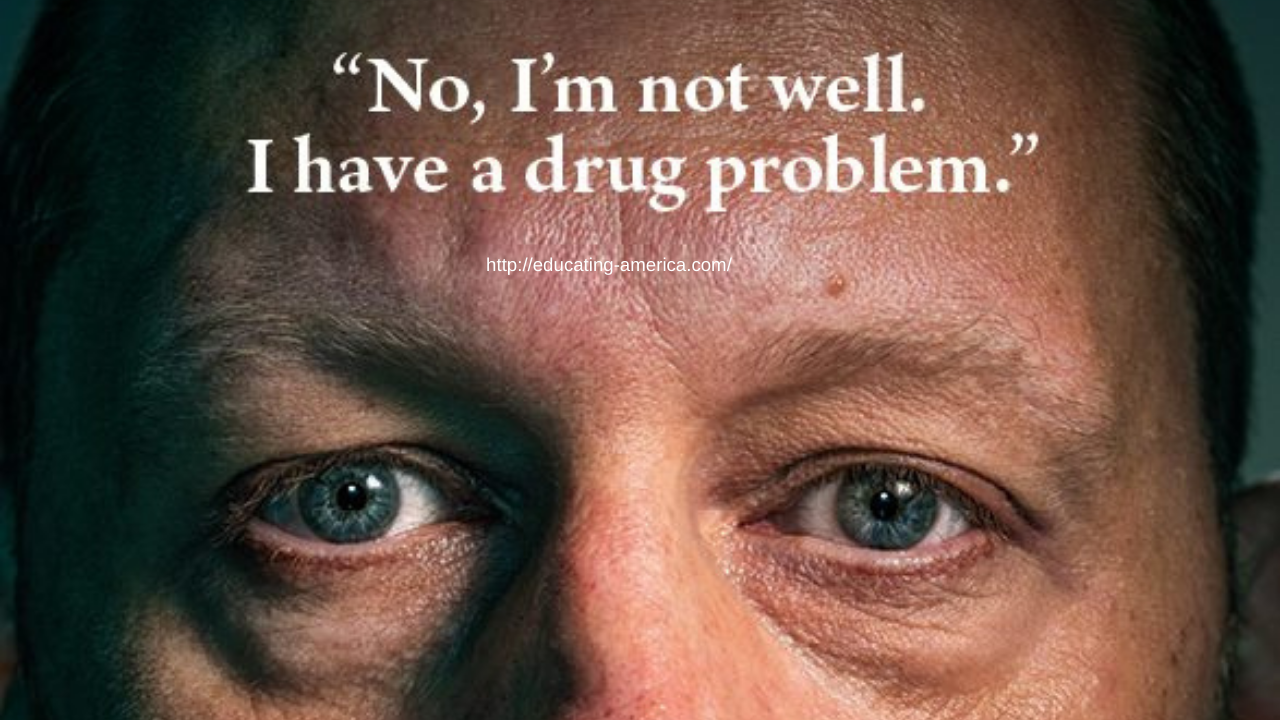
When people hear the word “rehab,” they often picture a one-size-fits-all program or imagine it as a quick fix for addiction. The truth is, recovery is a deeply personal process that requires more than just willpower. Drug treatment programs are not about short-term solutions but about building lasting change through the right balance of therapy, support, and care. To make informed decisions about treatment, it is important to separate common myths from the realities of rehab.
Fact vs. Fiction: What Rehab Really Is
Many individuals hesitate to seek help because they believe rehab is only for severe addictions or that it means giving up control of their lives. In reality, rehab is designed to empower individuals, not restrict them. Programs exist for every level of need, from inpatient treatment with 24-hour support to outpatient care that offers flexibility while still providing structured therapy.
Educating America focuses on meeting people where they are in their recovery journey, tailoring treatment to fit their specific circumstances rather than forcing them into a rigid program.
The Role of Mental Health in Addiction Recovery
Fiction: Addiction is just about substance use.
Fact: Recovery must also address mental health.
Addiction rarely exists on its own. Conditions such as depression, anxiety, or trauma often contribute to substance use. Programs that ignore these underlying issues often fall short. Effective rehab provides dual diagnosis care, which treats both addiction and mental health together. This approach gives clients a stronger foundation for long-term success.
Inpatient and Outpatient Care: Choosing What Works
Inpatient Programs
Inpatient rehab provides a structured environment where individuals can step away from daily pressures and focus entirely on healing. This option is especially helpful for those needing medical supervision or a safe place to begin recovery.
Outpatient Programs
Outpatient treatment is equally valuable, offering therapy and counseling while allowing individuals to live at home and maintain daily responsibilities. With the right support system, outpatient care can be just as effective as inpatient programs.
At Educating America, both approaches are available and personalized, ensuring clients receive care that suits their unique needs.
The Power of Holistic and Faith-Based Care
Another common misconception is that rehab only involves group meetings or medication. While those can be part of treatment, effective programs go beyond. Holistic approaches—such as nutrition support, mindfulness, exercise, and creative therapies—help individuals heal body, mind, and spirit.
For those seeking spiritual growth, faith-based treatment offers encouragement rooted in hope and grace. Combined with clinical therapy, these approaches provide balance and meaning to the recovery journey.
Aftercare: The Truth About Staying Sober
Recovery does not end when rehab ends. One of the most important realities of treatment is the need for aftercare. Ongoing counseling, relapse prevention strategies, and peer support are critical for maintaining progress. Effective programs prepare individuals for life after treatment, equipping them with the tools and resources to continue thriving.
Conclusion: Choosing the Right Path Forward
The realities of rehab are far more hopeful and empowering than the myths suggest. Addiction treatment is not about quick fixes—it is about learning new ways to live, breaking free from destructive patterns, and finding lasting healing.
If you or a loved one is considering treatment, reach out to Educating America today. With a compassionate team, holistic and faith-based options, and personalized care plans, we are committed to helping you take the first step toward recovery with confidence and support.