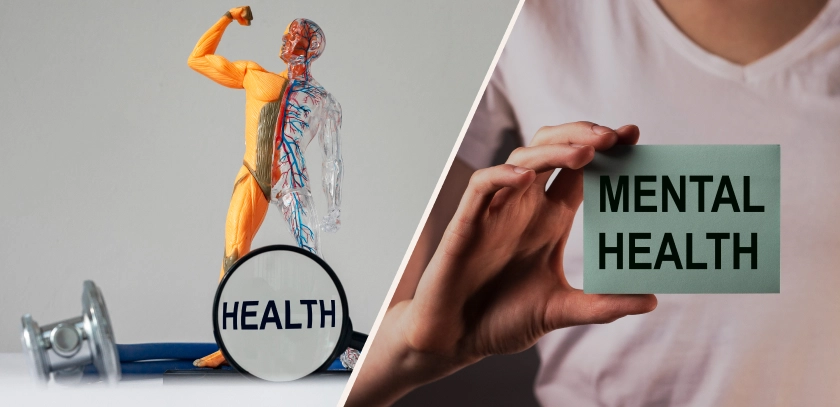
In America, mental health and education are inseparable aspects of a young person’s development. Students struggling with anxiety, depression, trauma, or substance use often face barriers to learning that affect academic achievement, social growth, and long-term well-being. At the same time, supportive educational environments that incorporate mental health awareness and holistic care can dramatically improve outcomes, empowering students to thrive both inside and outside the classroom. Recognizing this critical link is essential for families, educators, and healthcare professionals working to support at-risk youth and adults alike.
At Educating America, we provide compassionate, professional, and individualized care through addiction recovery services, mental health treatment, inpatient and outpatient programs, and holistic, faith-based approaches. By integrating wellness into education, we help individuals regain focus, build resilience, and achieve both recovery and academic success.
The Impact of Mental Health on Learning
Mental health challenges directly influence a student’s ability to concentrate, retain information, and engage with peers and teachers. Anxiety, depression, or trauma can create obstacles that interfere with classroom participation and academic performance.
Academic and Social Consequences
Students struggling with untreated mental health issues often experience lower grades, absenteeism, and difficulty forming healthy relationships. In some cases, these challenges increase the risk of substance use as a coping mechanism, creating a cycle that affects both education and long-term health.
The Role of Early Intervention
Early identification and support are essential for preventing long-term academic and health challenges. Counseling, therapy, and structured mental health programs help students develop coping strategies, improve emotional regulation, and stay engaged in learning.
How Addiction Recovery Intersects with Education
Substance use can have a profound effect on learning and overall well-being. Addiction disrupts cognitive function, motivation, and emotional stability, making it difficult to focus in school or pursue career goals.
Structured Treatment Programs
Inpatient and outpatient treatment programs provide safe environments for individuals to address addiction while continuing their education. Inpatient care allows for immersive recovery, while outpatient programs offer flexibility to maintain school or work responsibilities. Both models combine therapy, education, and life skills training to support long-term success.
Holistic Approaches to Recovery and Learning
Holistic treatment integrates mental, physical, and spiritual wellness to support recovery and enhance learning outcomes. Mindfulness, nutrition education, physical activity, and faith-based guidance all help individuals build resilience and regain confidence in themselves and their abilities.
Practical Strategies for Families and Educators
Parents, caregivers, and teachers play a pivotal role in bridging mental health and education. Practical strategies include:
- Open Communication: Encourage students to share their feelings and experiences in a safe environment.
- Promote Mental Health Awareness: Normalize therapy, counseling, and emotional support as part of everyday life.
- Collaborate with Professionals: Engage with counselors, therapists, and addiction recovery specialists to create comprehensive support plans.
- Incorporate Holistic Practices: Introduce mindfulness, exercise, and stress management techniques into daily routines.
- Support Academic Flexibility: Allow accommodations for students facing mental health or addiction challenges to ensure continued engagement in learning.
The Long-Term Benefits of Integrating Wellness and Education
When mental health support is integrated into educational settings, students experience improved concentration, stronger problem-solving skills, and greater emotional resilience. These outcomes not only improve academic performance but also contribute to healthier lifestyles and reduced risk of substance use later in life.
Conclusion
Mental health and education are deeply interconnected. By addressing wellness as part of the learning process, we can help students overcome challenges, prevent addiction, and achieve long-term success. At Educating America, our compassionate, professional, and individualized programs provide the tools, guidance, and support needed to bridge the gap between mental health and academic achievement.
If you or someone you love is struggling with mental health challenges, addiction, or related obstacles, reach out to Educating America today. Together, we can build stronger minds, brighter futures, and a healthier path to lifelong learning.